
Herepea (Magyarherepe, Ungarisch Härpen) – Mureș County
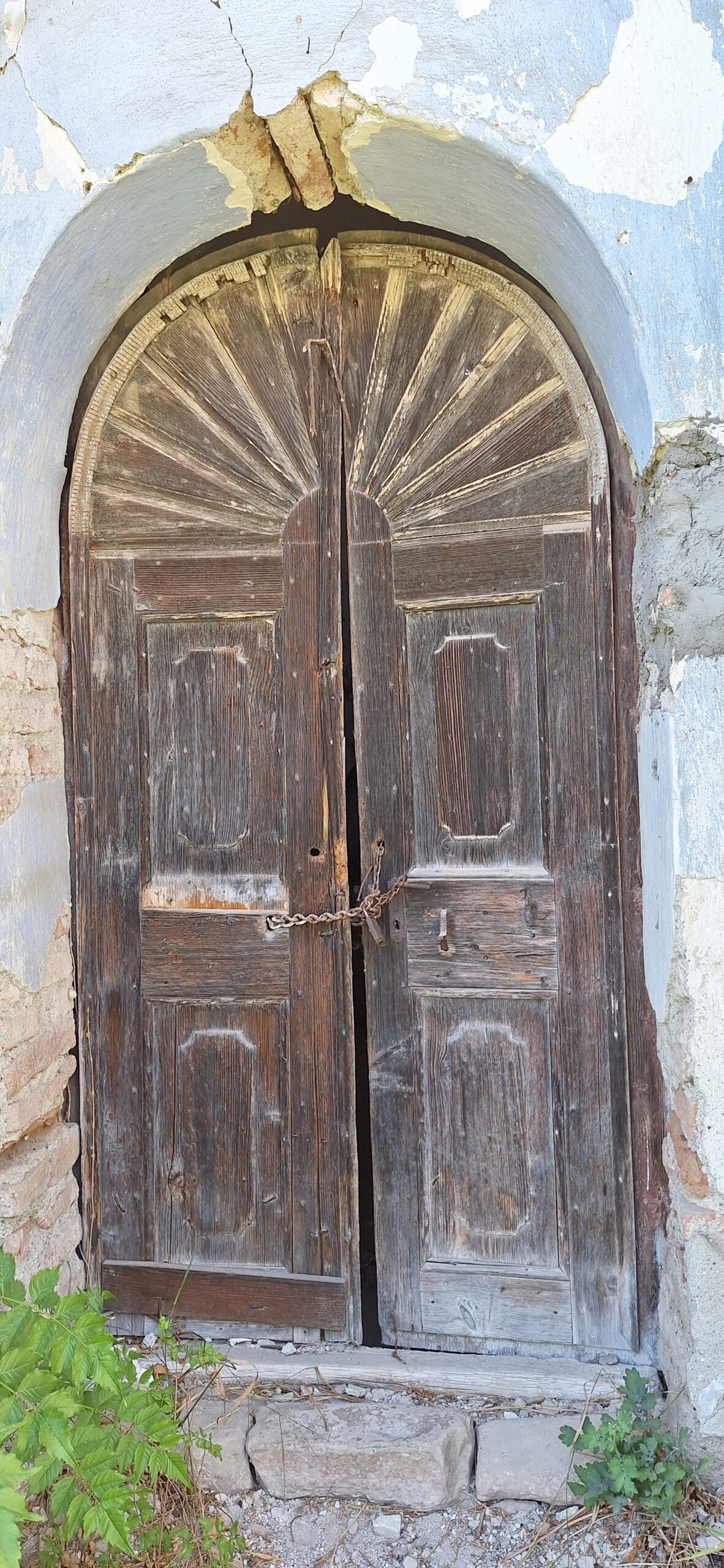
It is a scorching August day, and the thermometer reads 40 degrees Celsius inside my overheated car. I am on top of the hills separating the watersheds of the Mureș and Târnava Mică rivers, on the border between Mureș and Alba counties. I slowly make my way along the rocky road towards a place forgotten by the world, in a corner of Transylvania that seems to have no future. The Reformed Church of Herepea is the last surviving testimony to the life of a once-thriving community that has now disappeared.
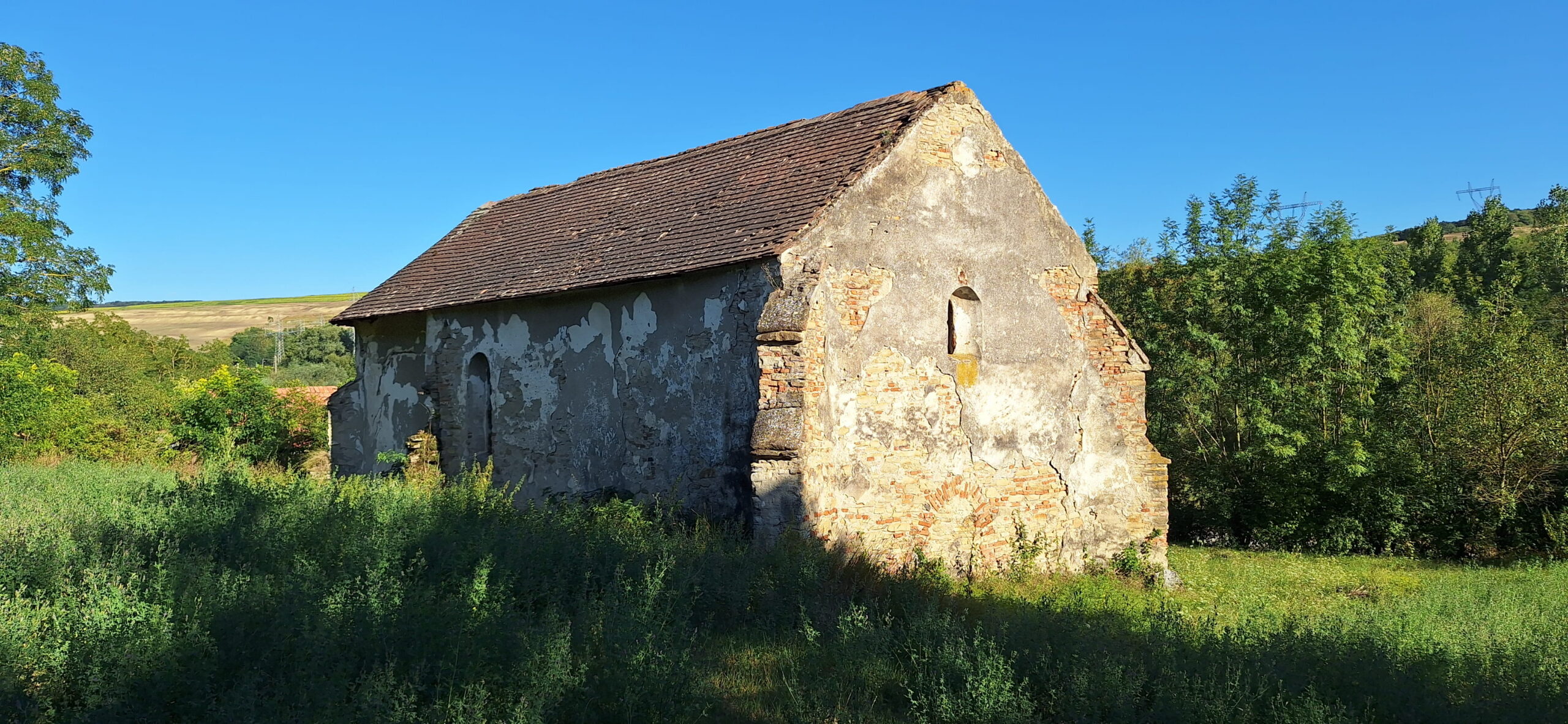
The Reformed Church of Herepea, seven centuries of history
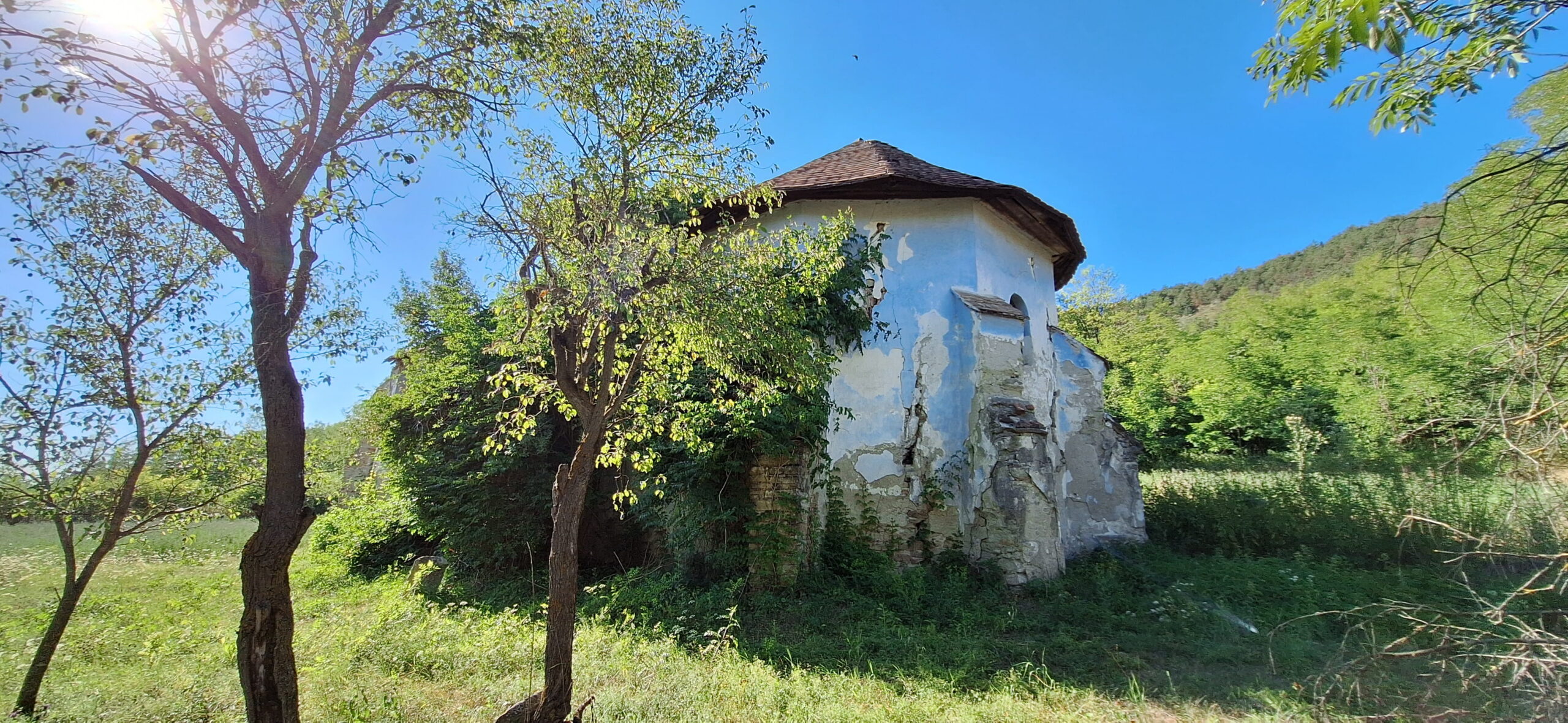
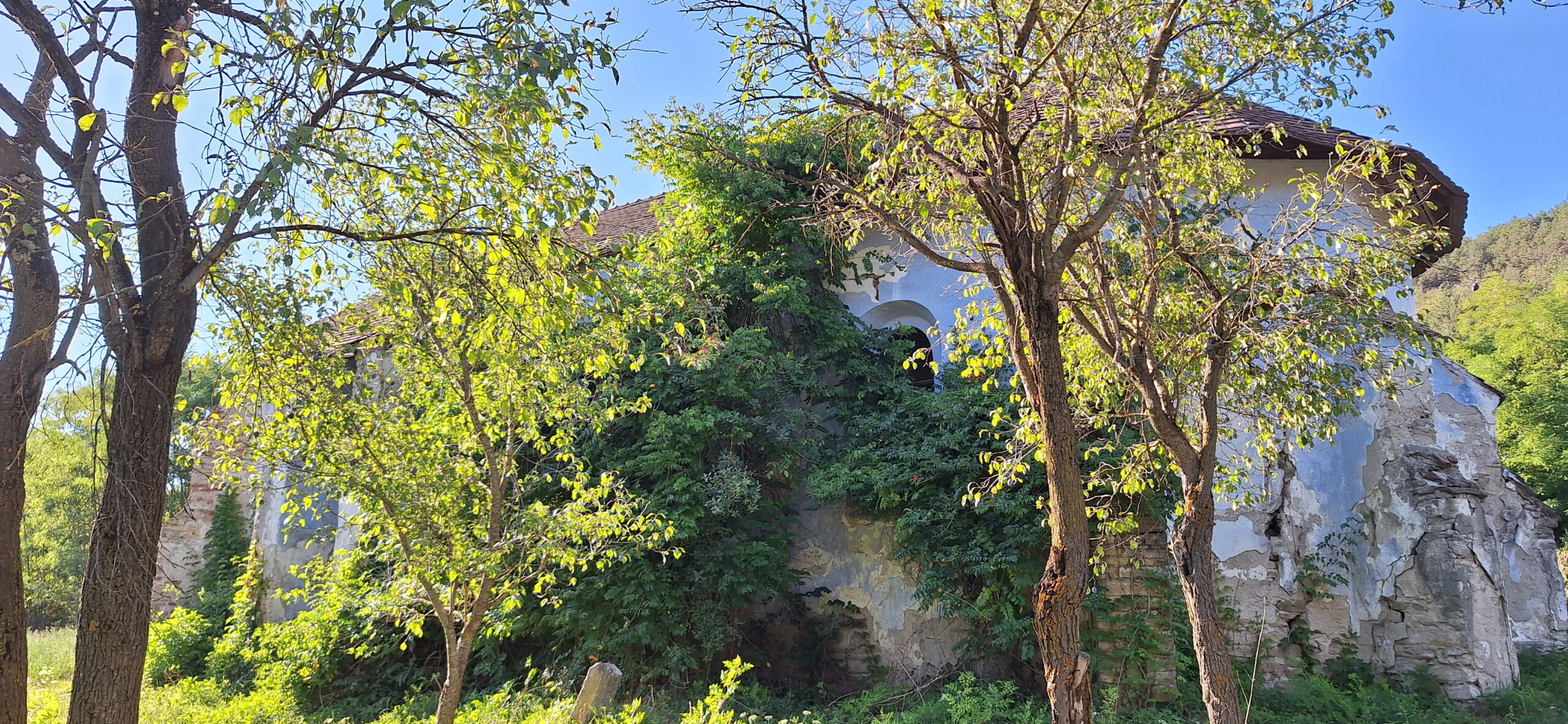
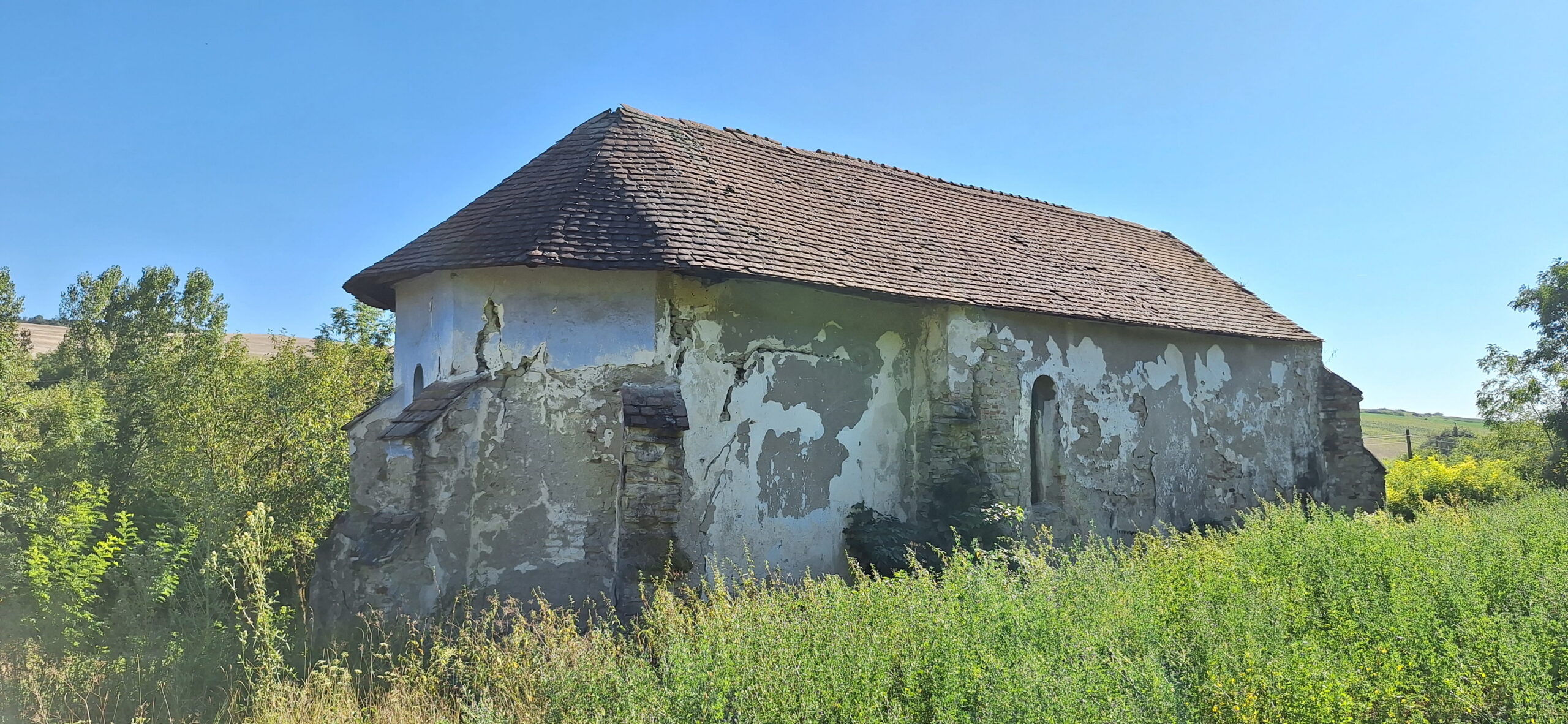
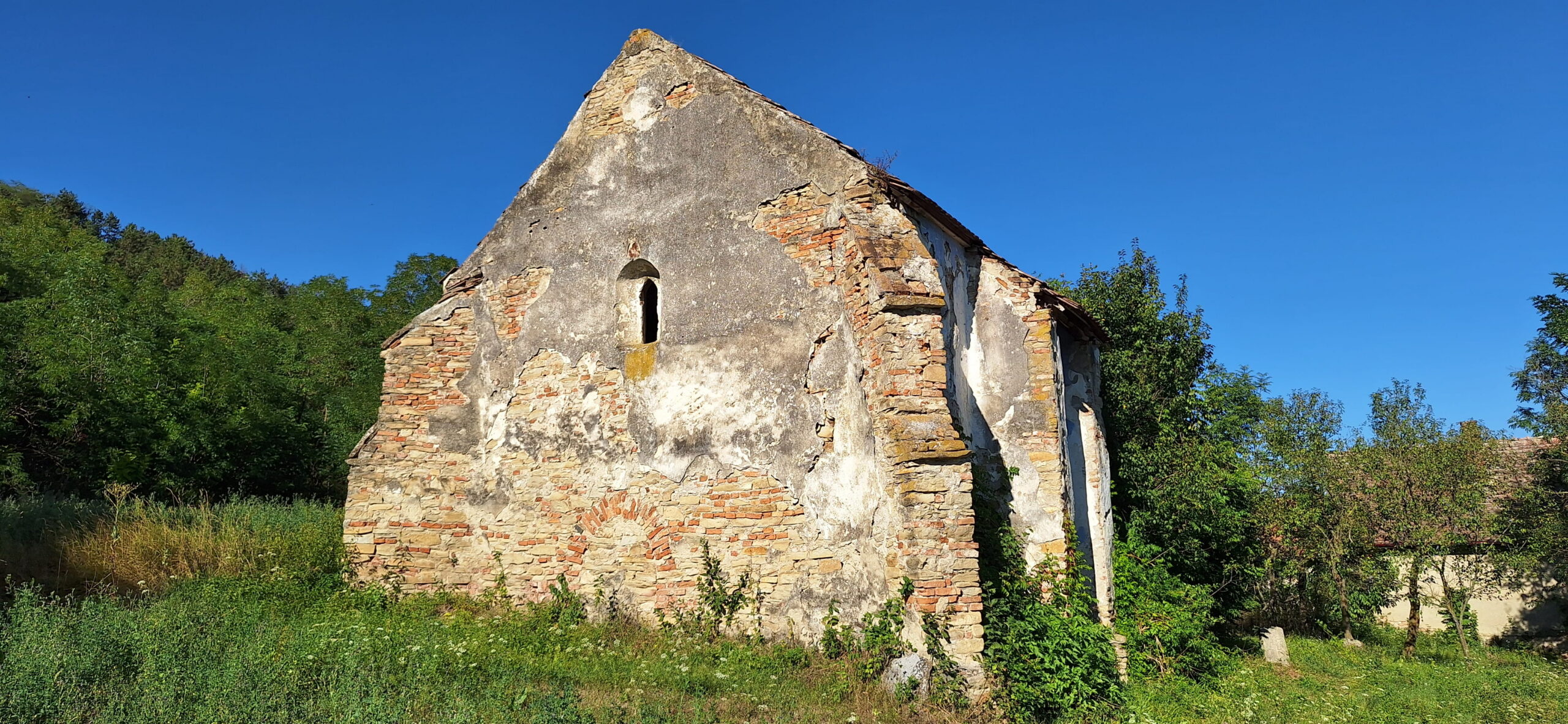
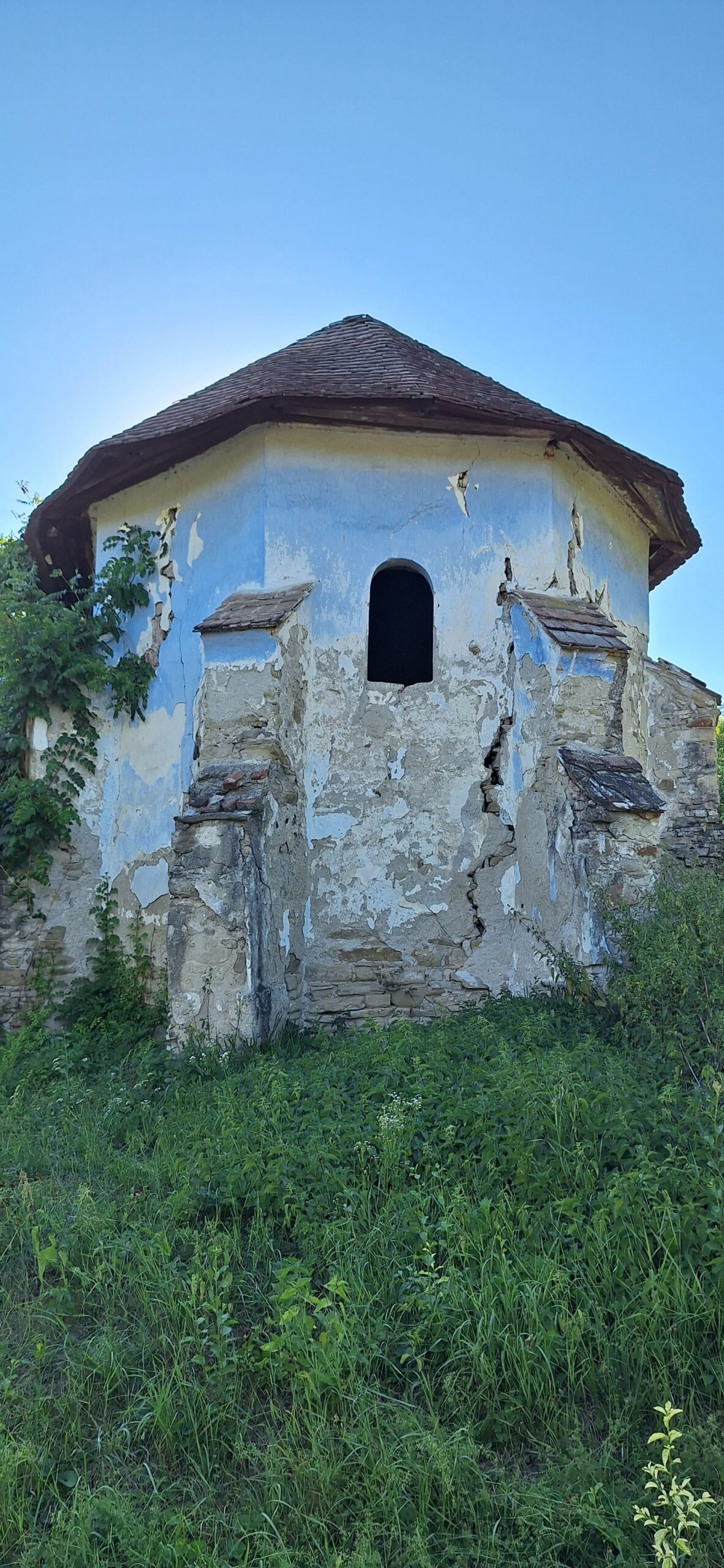
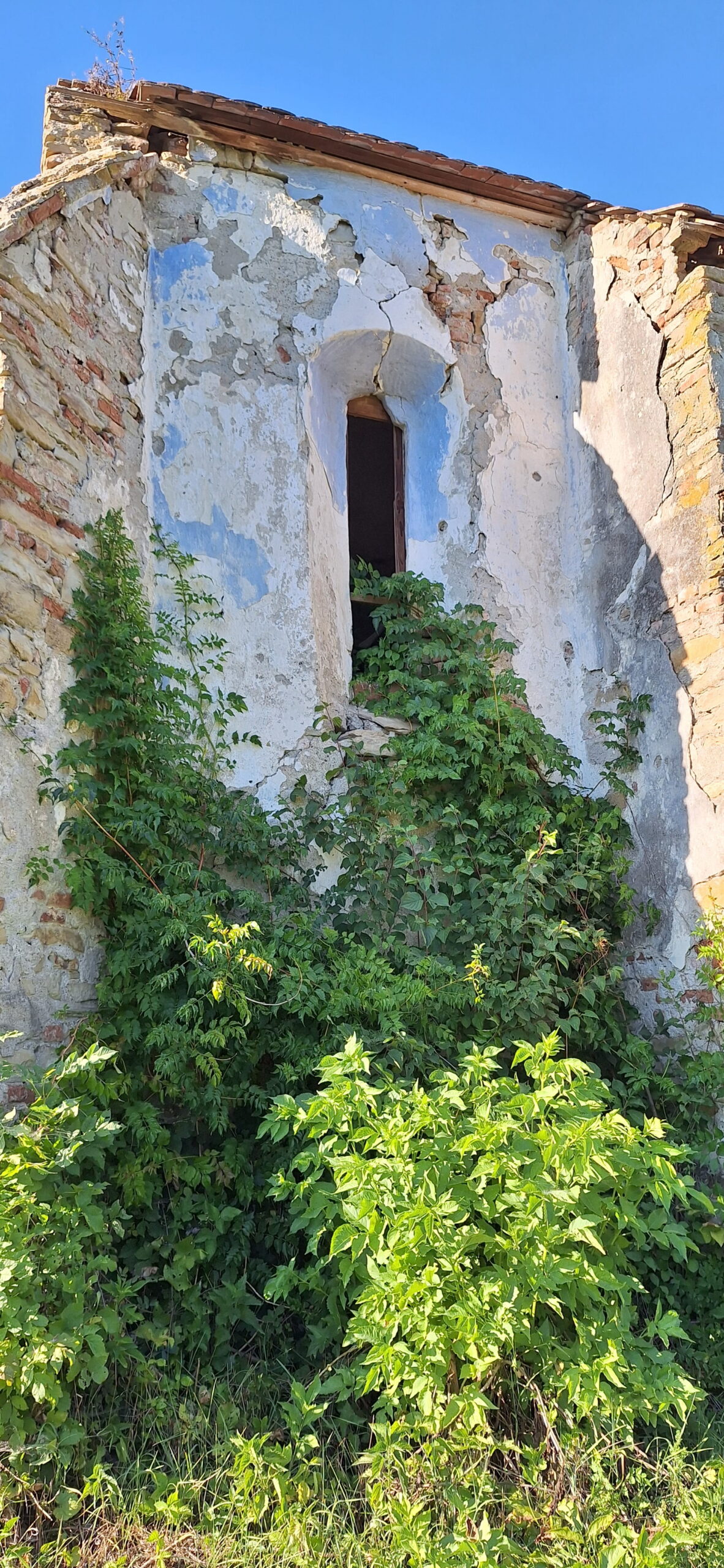
The village was first mentioned in 1332 under the name Herepel, and already had a parish church that year. It is therefore believed that the present building was erected in the 13th–14th centuries, in Early Gothic style. Roman Catholic until the Protestant Reformation, the Reformed Church of Herepea is a single-nave church with a rectangular nave and a polygonal apse. To the southwest of the church once stood a two-storey wooden bell tower, built in 1646 according to the old inscription: „A.D. 1646. En Segin Benkiö Jacobcsi”. Today, not even a trace of it remains, while its bells were moved to the Reformed Church of Sânbenedic, Alba County.
Herepea, a Village Ravaged by Ceaușescu’s Systematization
Located approximately 11–12 kilometres from Adămuș, the commune seat, Herepea has a turbulent recent history. Although the village was still home to more than 500 people in the 1950s, it later became one of the many targets of the systematization policy imposed by Nicolae Ceaușescu. The Hungarian population gradually left their native village after 1947. And from the 1970s onwards, religious services were no longer held in the Reformed Church of Herepea. Later, people left behind collective farming and rural life for jobs at the Târnăveni Chemical Plant. The young never returned, while the elderly passed away. According to the latest census, no more than 15 locals now live in Herepea.
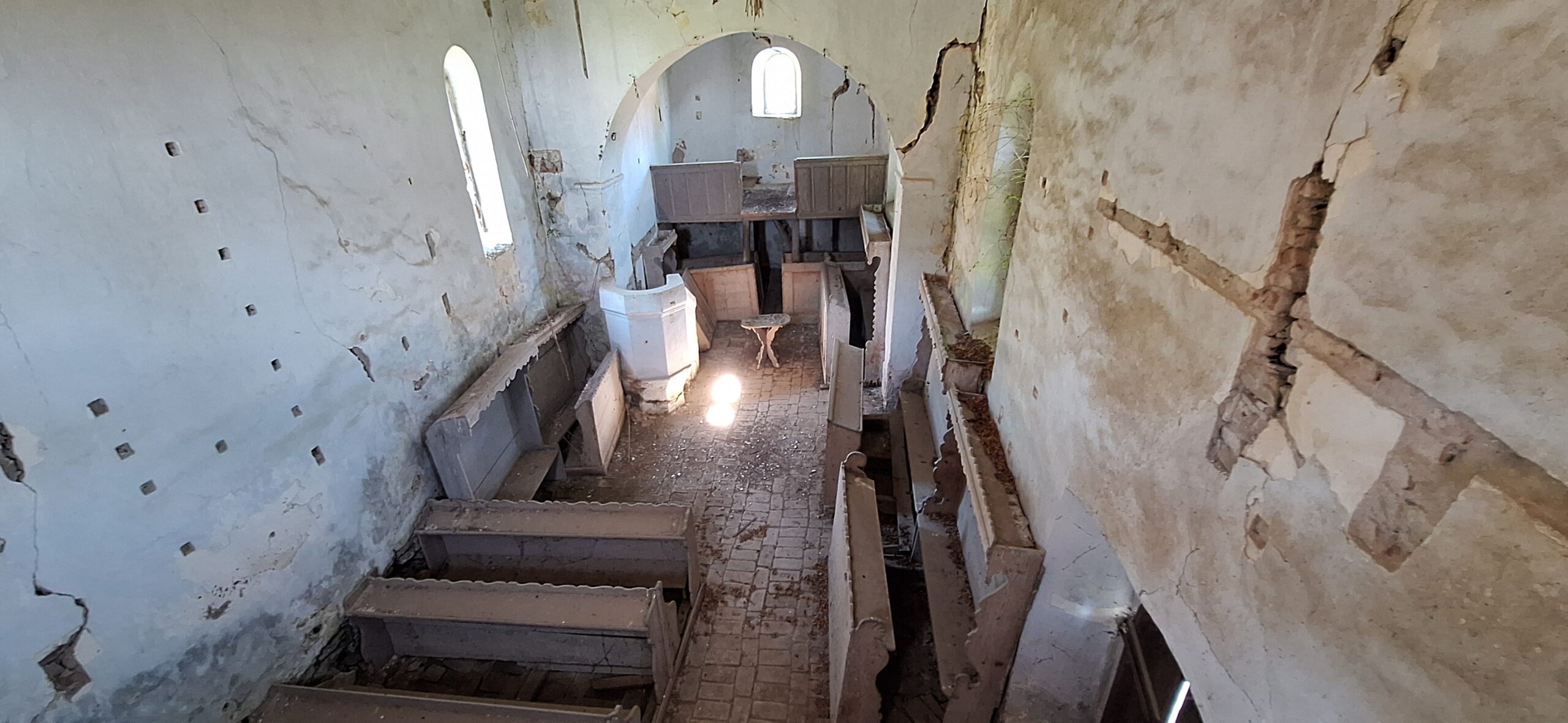
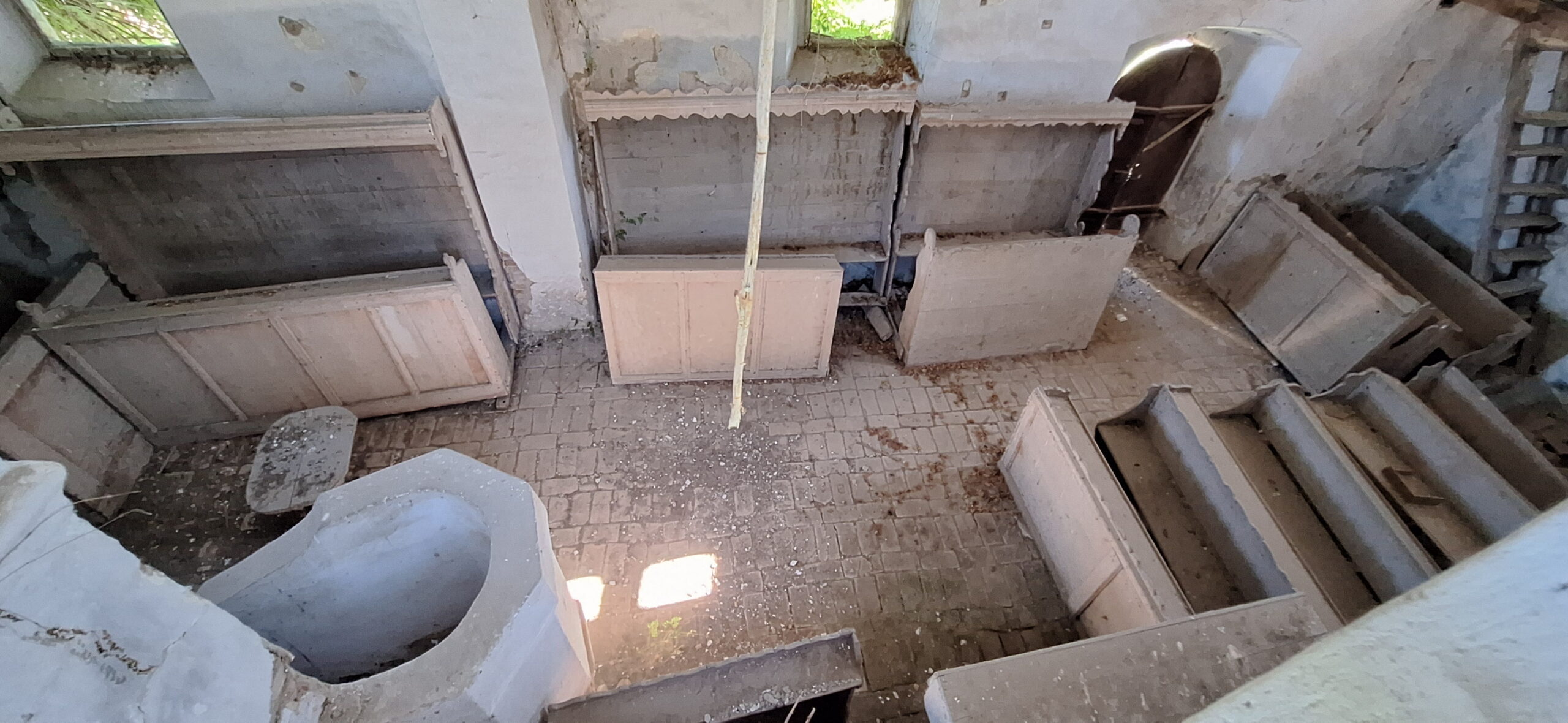
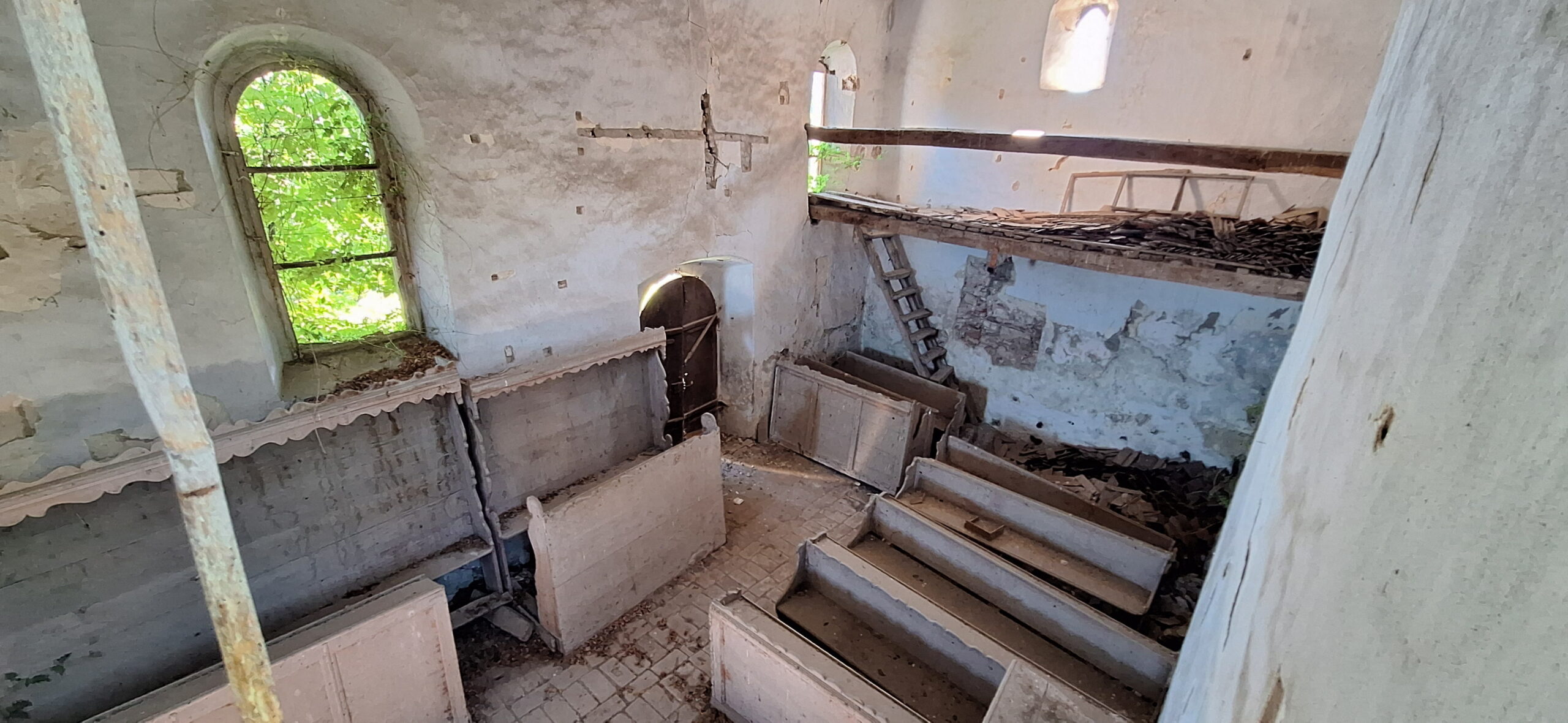
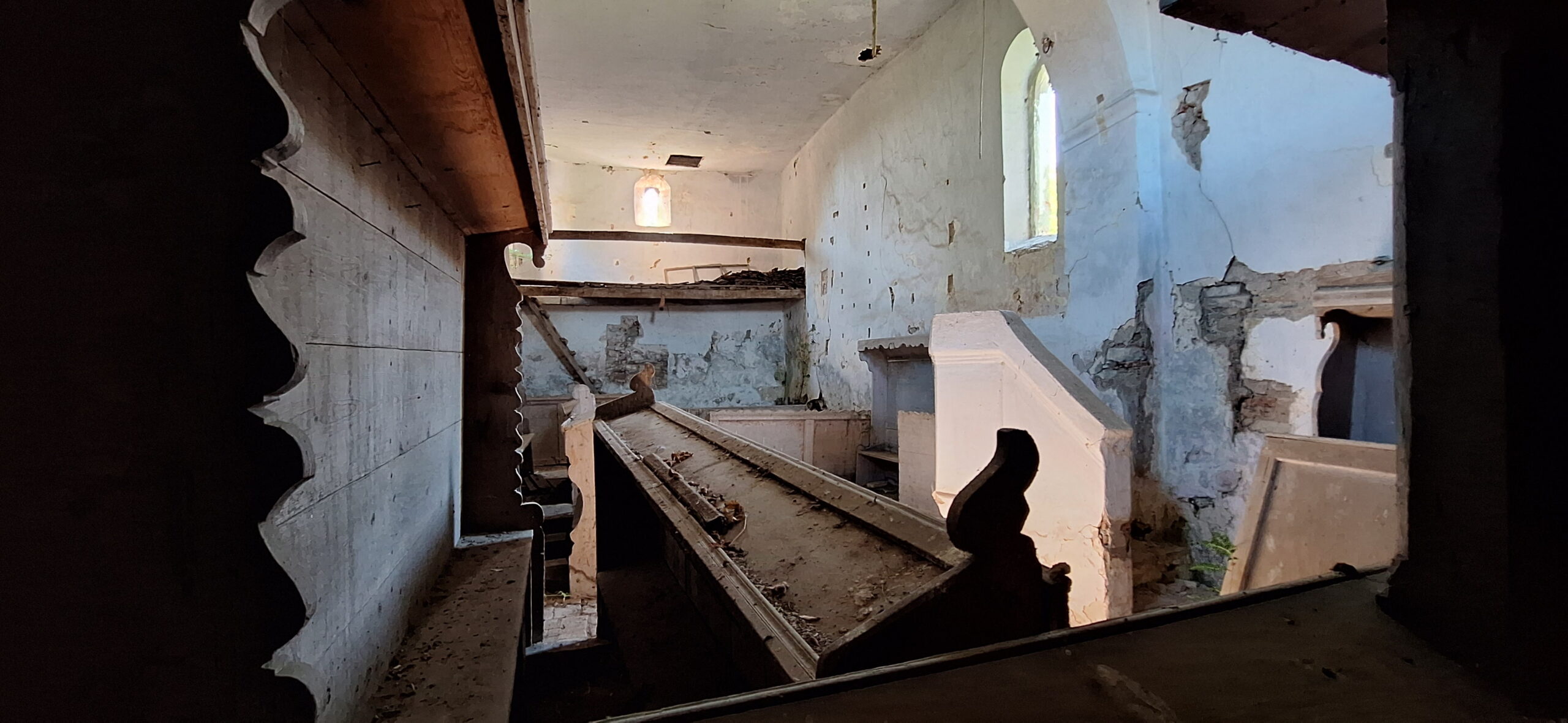
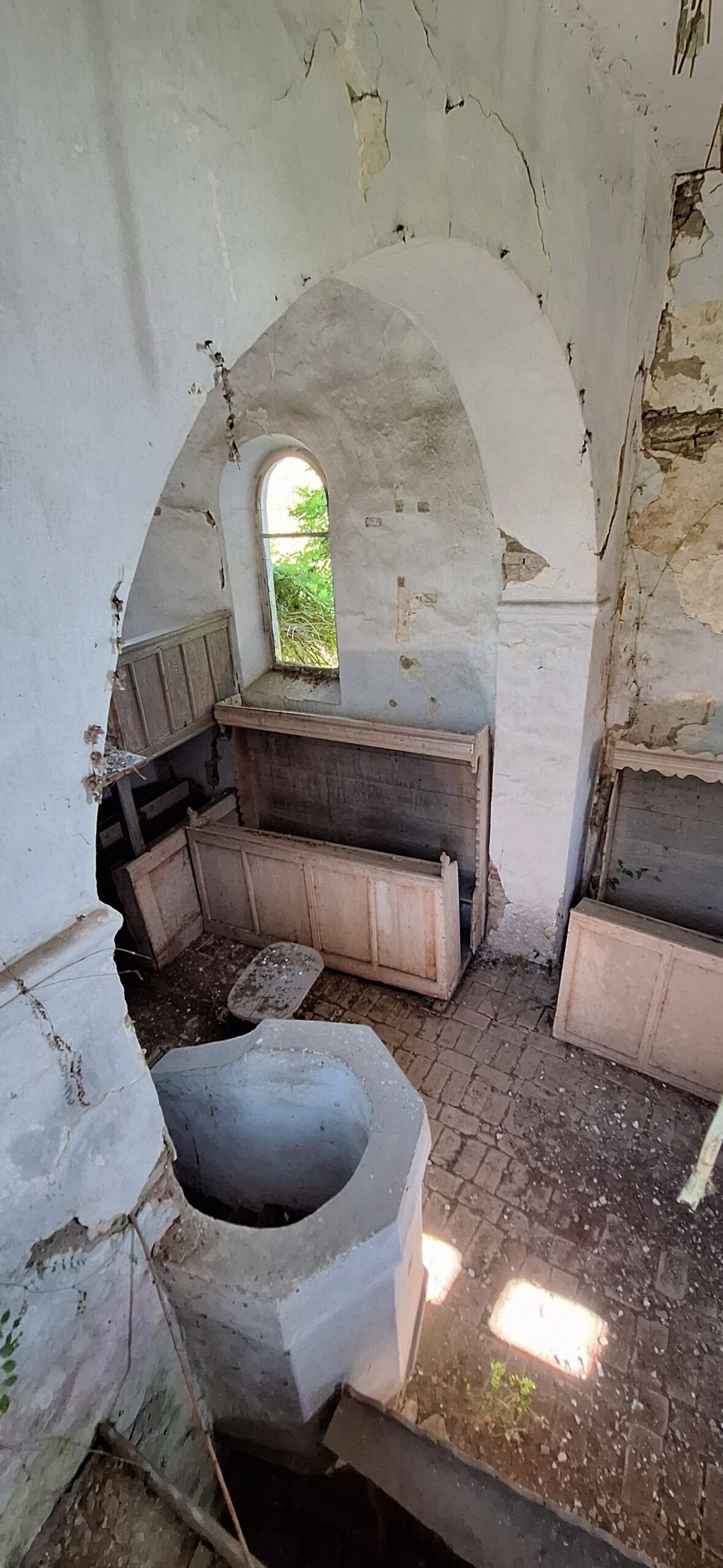
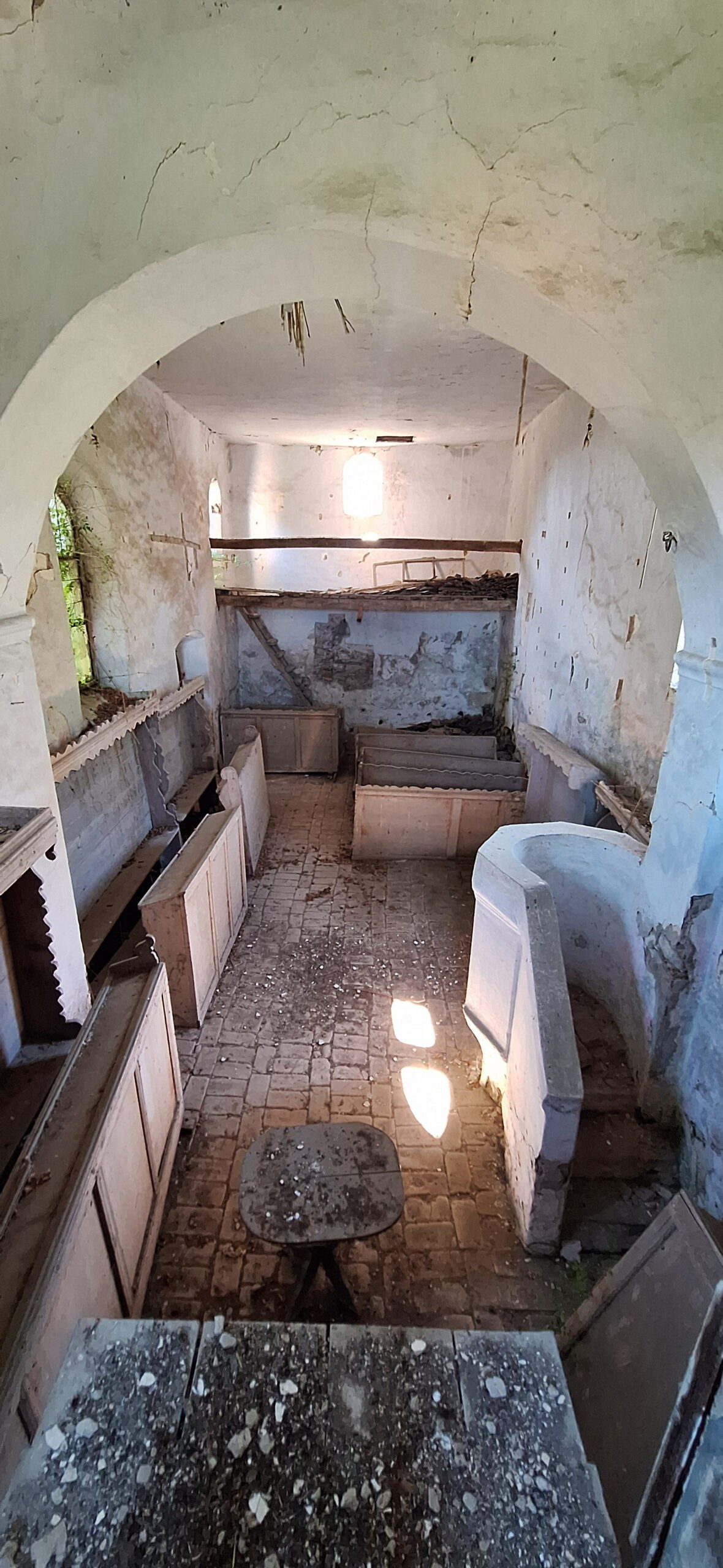
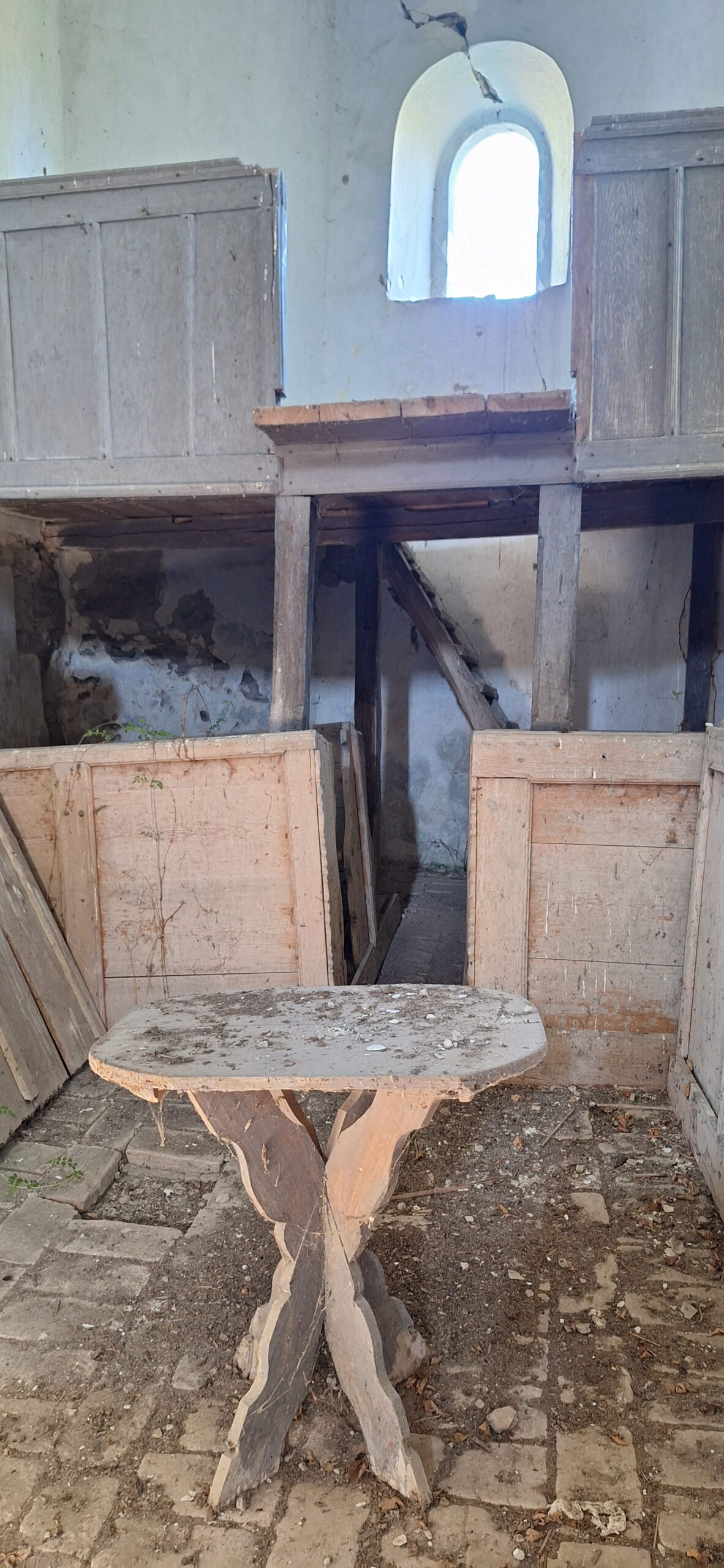
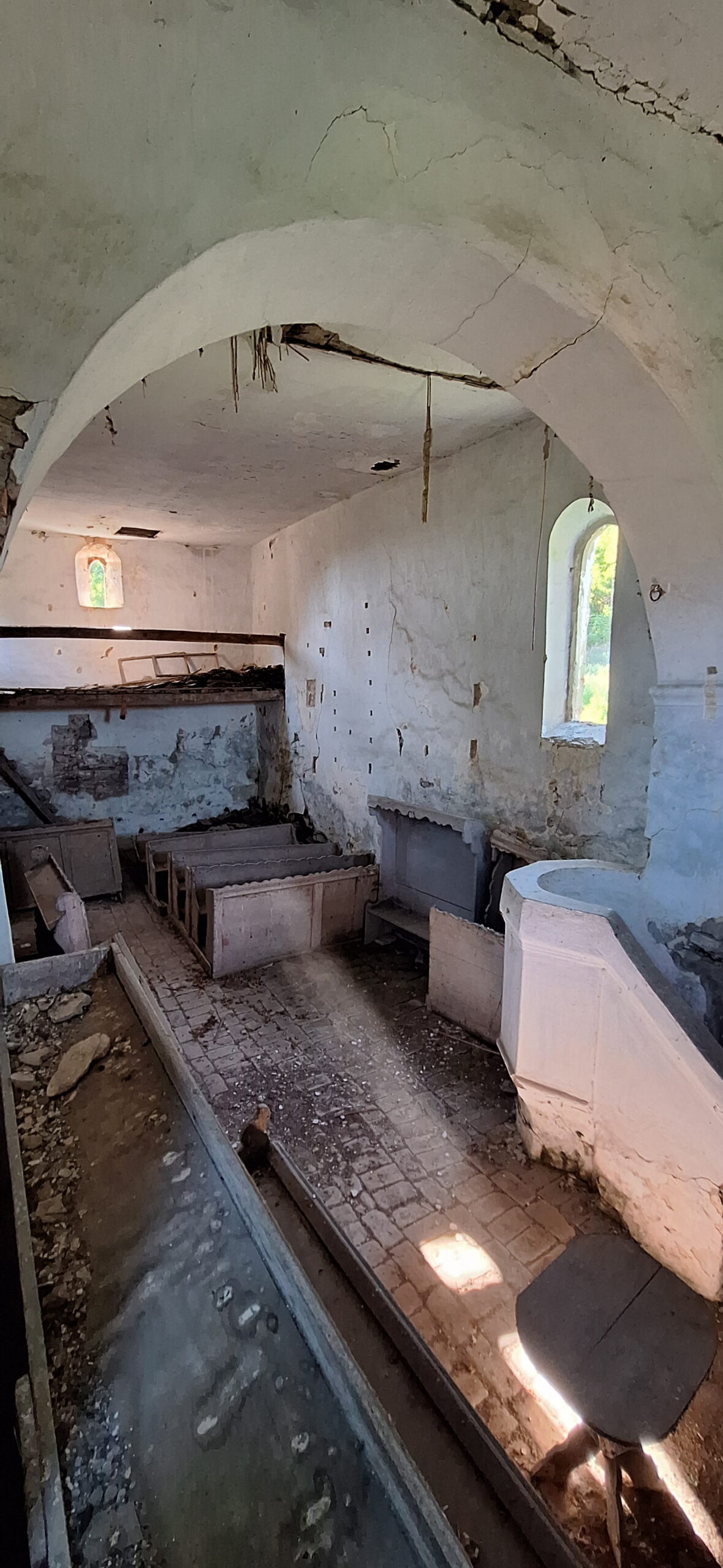
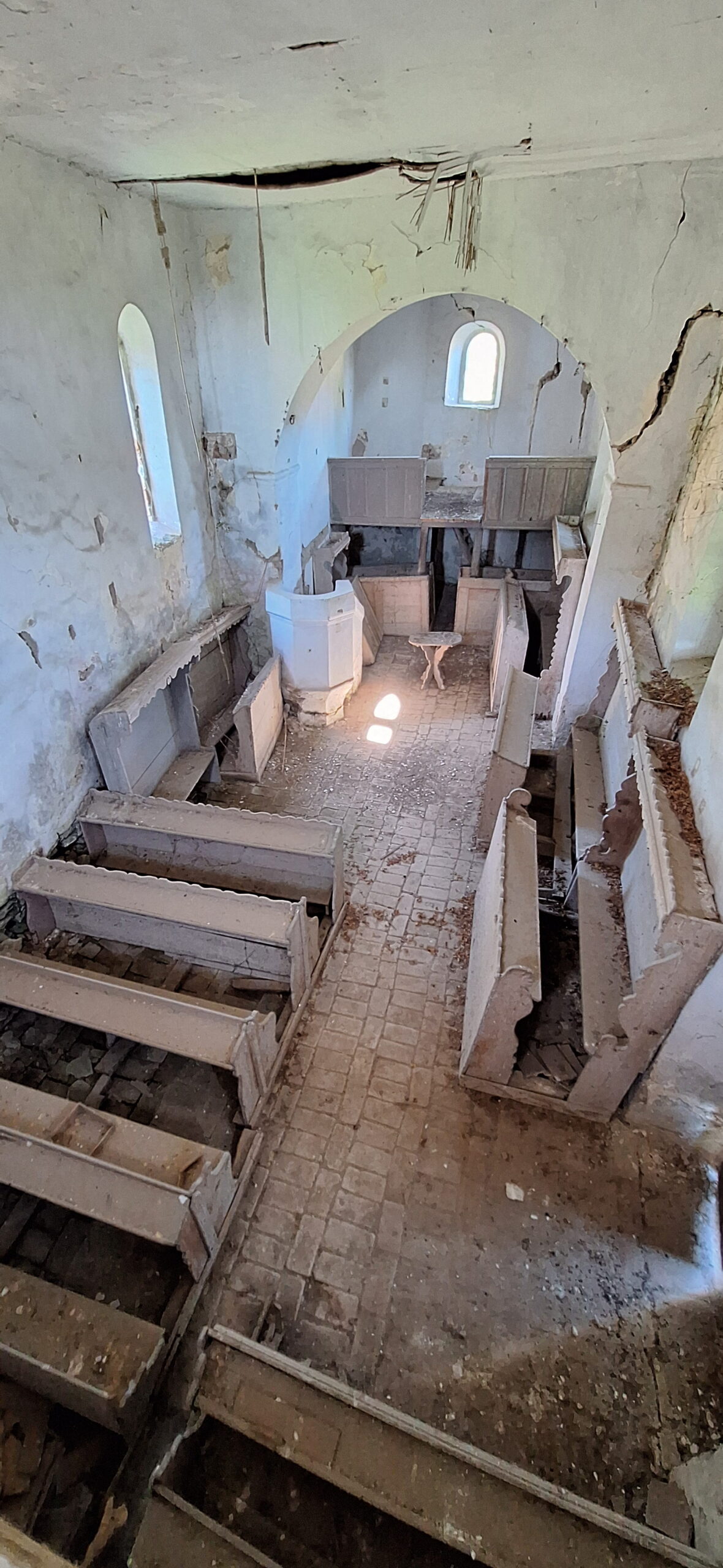
As I step into the church, I am overcome by a strange sensation, a mixture of sadness and despair. The old pews are covered in a thick layer of dust, while the woodworm-ridden galleries tremble with every movement. I have to be extremely careful, as the ceiling could collapse at any moment. Once adorned with painted coffers dating from 1669, it now seems as though it could give way under the first major storm or heavy snowfall. Warm rays of sunlight pierce through the dust and illuminate the Holy Table, gently caressing the stone pulpit. Its capital is said to have been taken to Cornești, while the organ was once purchased by the Reformed community of Cetatea de Baltă for 13,000 lei.
The Reformed Church of Herepea, ready to be „buried”?
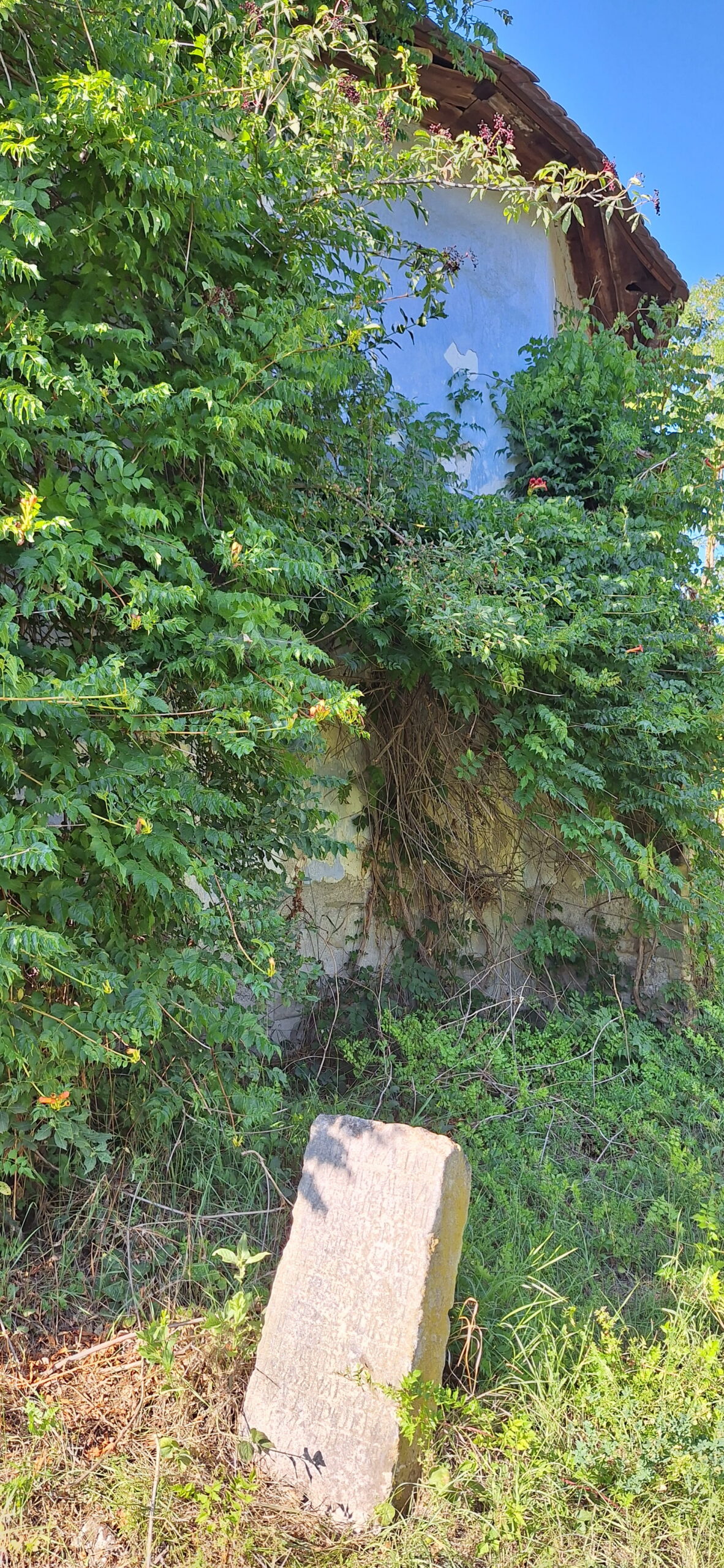
According to a report published in July 2006, a team of archaeologists and architects from Cluj arrived in Herepea in the early 2000s to search for valuable frescoes. When they found nothing, they reportedly stated that the church „can be buried”. After 1989, the church’s sister congregation in the Netherlands is said to have raised a sum of money to repair the church, but the funds never reached Herepea. A solitary, weathered tombstone leans towards the cracked walls. Graves dating back as far as the 1700s can still be found in the cemetery. Among them is the grave of Pávai Vajna Miklós, the maternal grandfather of the great mathematician Bolyai Farkas, who was buried in Herepea on 21 March 1797.
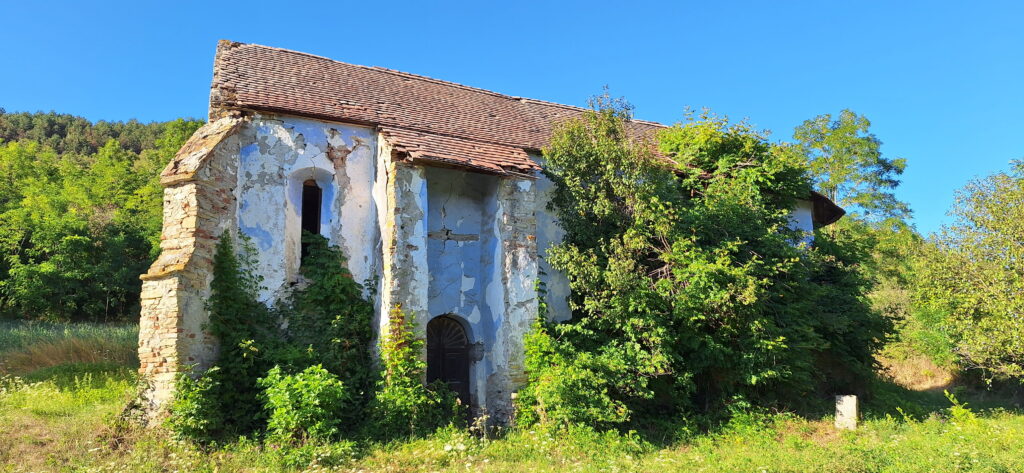
I pick a few tasty plums from the old trees that shade the Category A historic monument. Then I stop for a chat with Mr. Nelu, who lives in the old family house beside the church. He is missing his left arm, but manages on his own. He works on a crossword puzzle, lights a cigarette and takes thirsty sips from a beer bottle, watching his sheep graze peacefully in the oppressive heat. He was born here, and wants to die here, in Herepea. For three-quarters of an hour, Mr. Nelu tells me how the road from Crăiești was impassable until just a few years ago. How jackals have spread throughout the area, while the rabbits and deer have disappeared. How he sees no future whatsoever for his native village. Perhaps agrotourism could be the lifeline for this tiny village in Mureș County. Yet, as I take one last look at the Reformed Church of Herepea, I experience one of those rare moments in all my trips when I feel that there may simply be no hope left here…