
Grăniceri (Csávos, Lichtenwald / Tschawosch, Граничари) – Timiș County
Grăniceri village, Giera Commune, Timiș County. I find myself just a stone’s throw from the Romanian–Serbian border, on the banks of the Timiș River, in a forgotten corner of the country. I have travelled all this way to discover the last surviving fragments of the legacy of the Csávossy Family.
Csávossy – A defining name in Banat's history
Grăniceri, formerly known as Ciavoș, is a border village in the heart of Banat, first documented as early as the 13th century. It survived the Ottoman occupation before becoming home to German settlers. In 1781, during a public auction, the estate was purchased by deputy accountant Mátyás Endrődy. His son, József Endrődy, remained the estate owner until the end of his life and is also associated with the castle built in 1847, which was later acquired by Ignácz Csávossy. The palace — one of the most beautiful noble residences in Banat — was inherited by his son, Béla Csávossy (1848–1915), who served as a Member of Parliament in the Kingdom of Hungary for more than three decades.
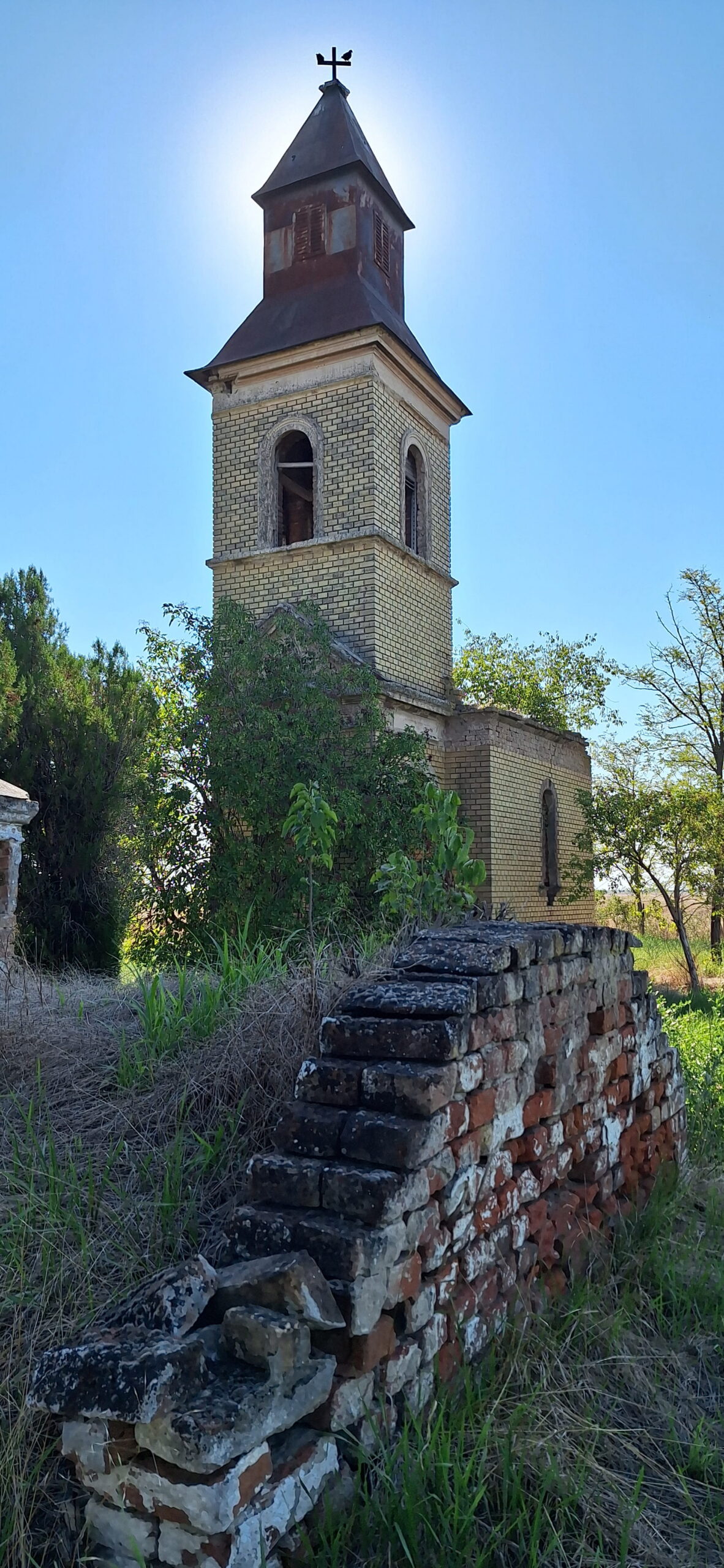
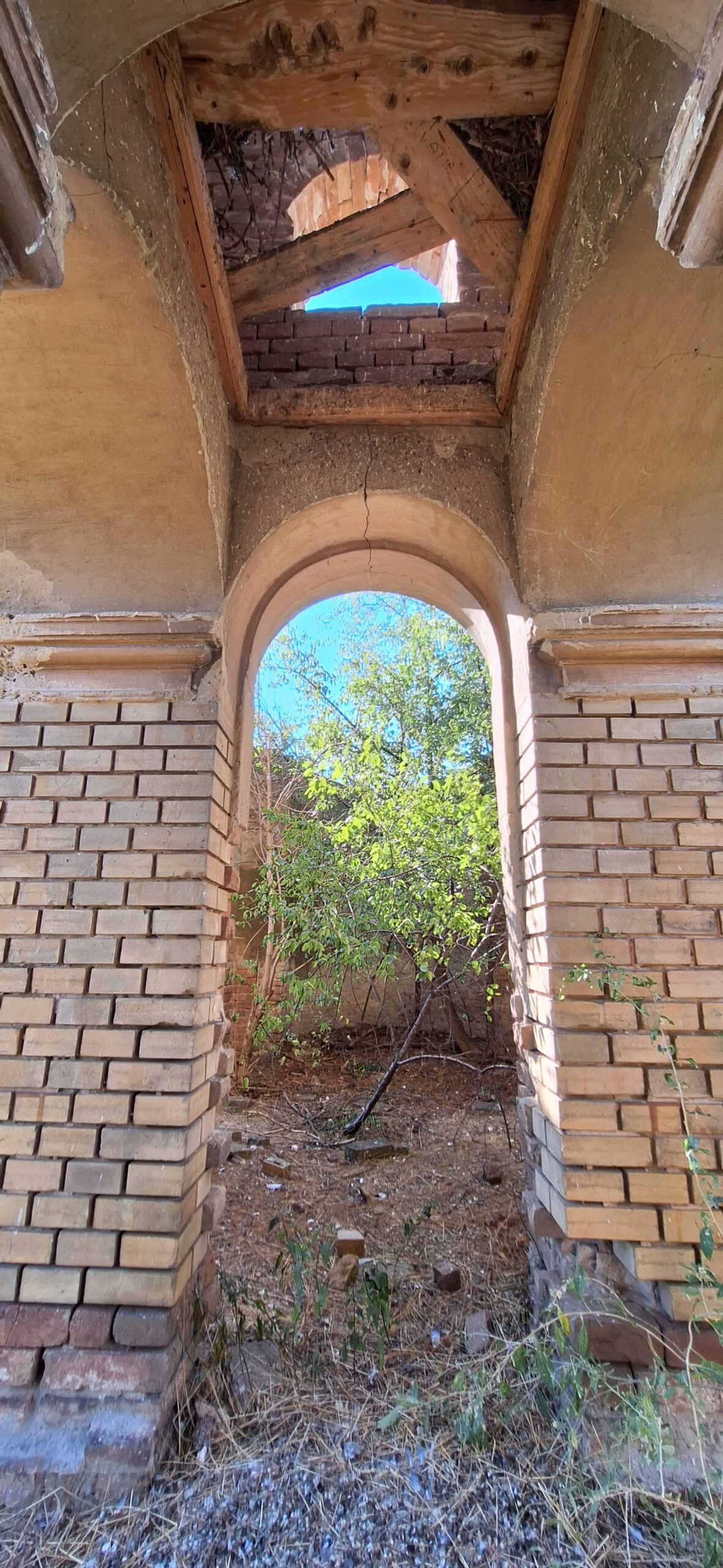
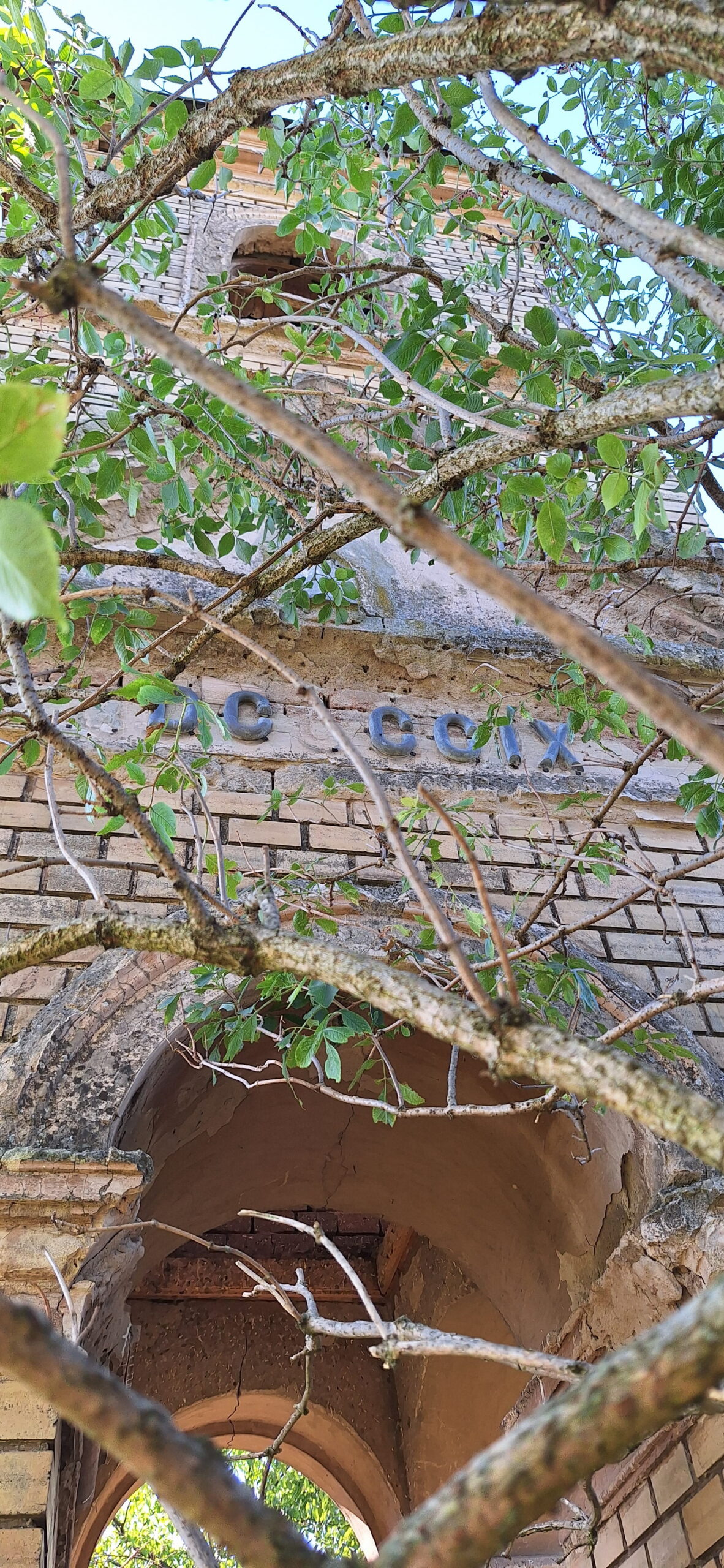
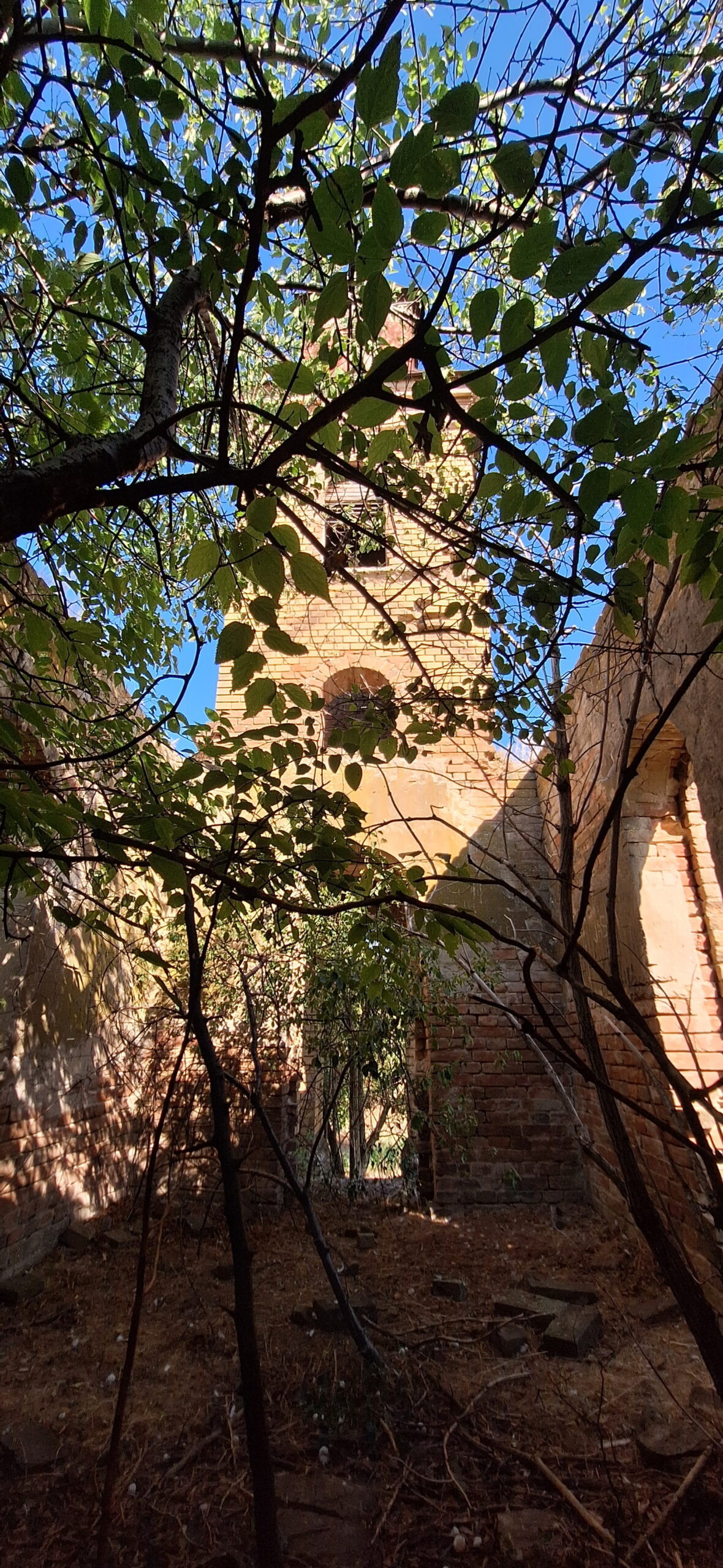
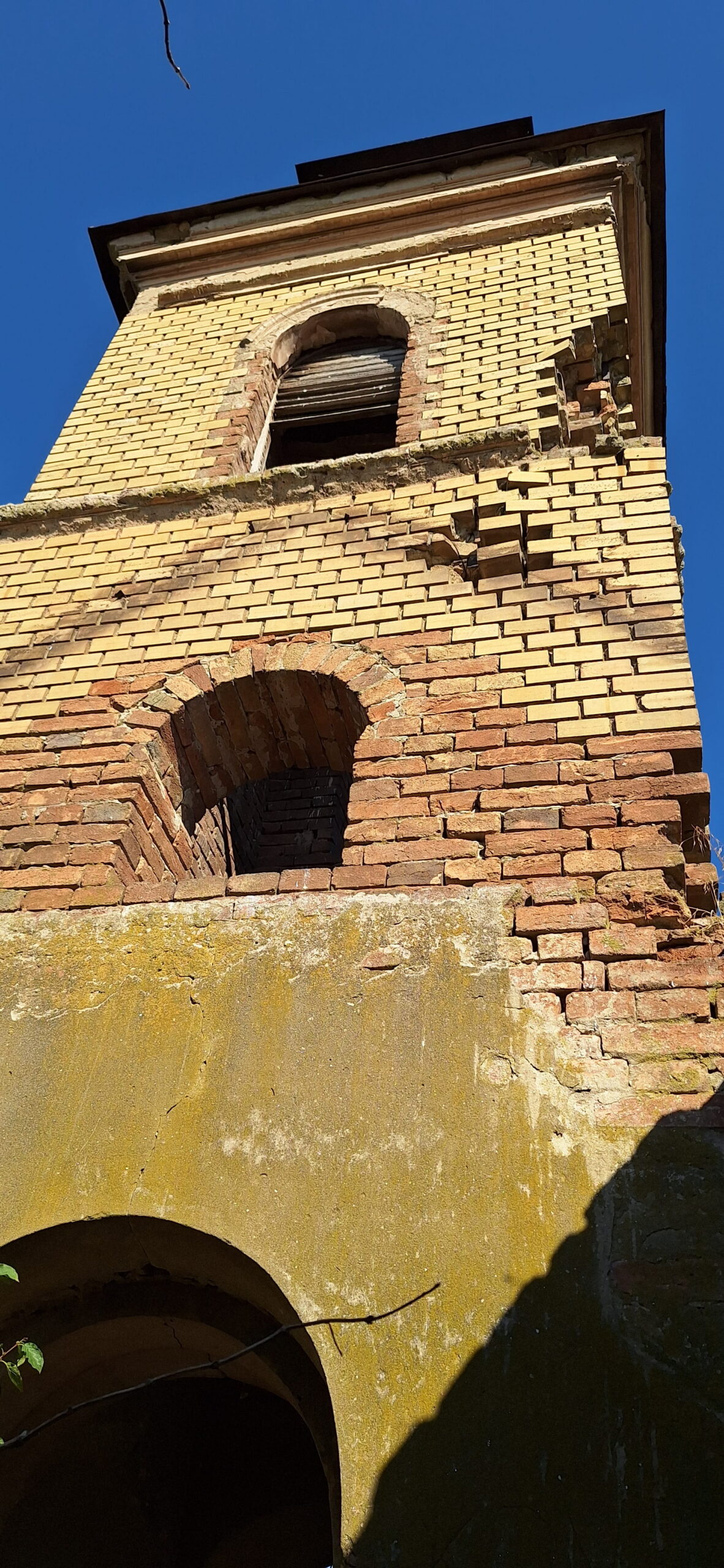
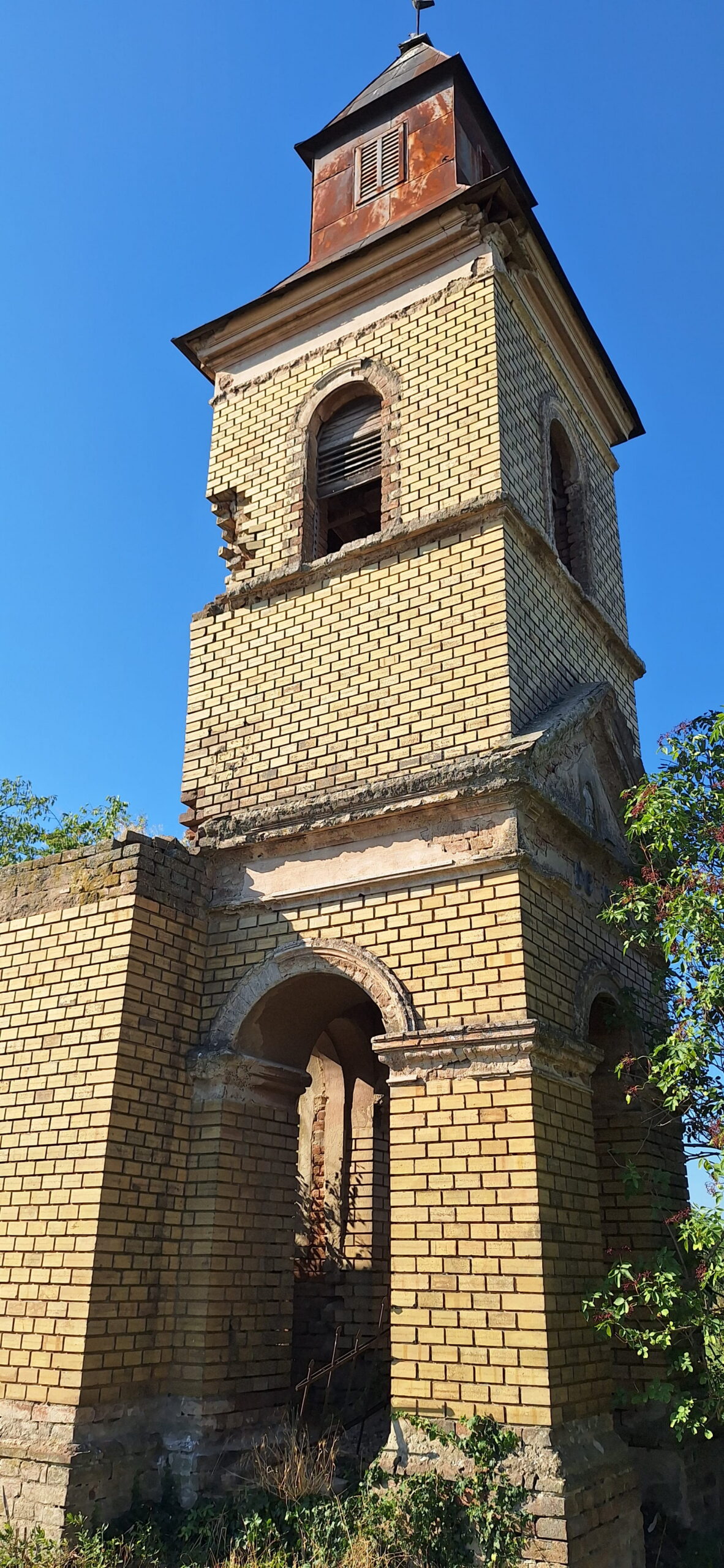
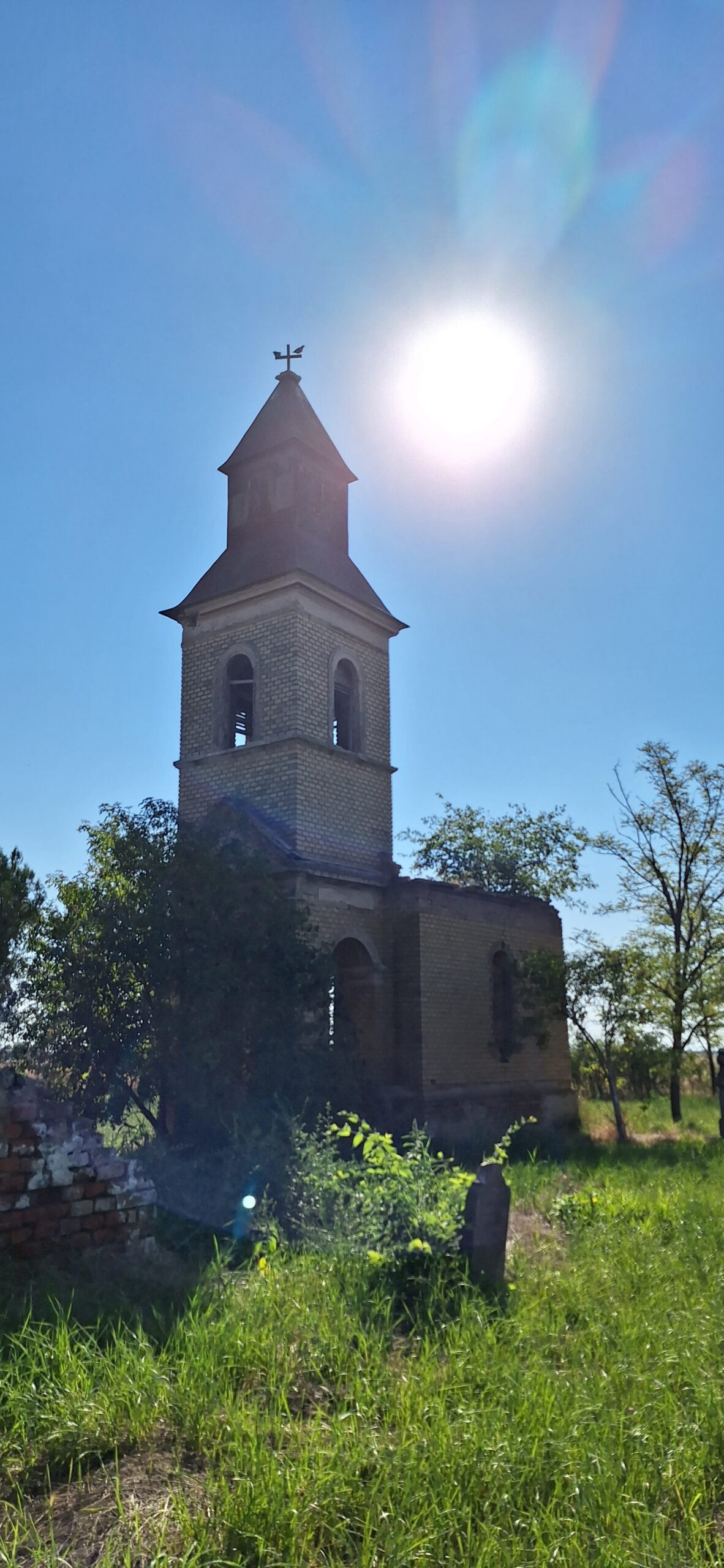
Csávossy Castle of Ciavoș, demolished by the Communists
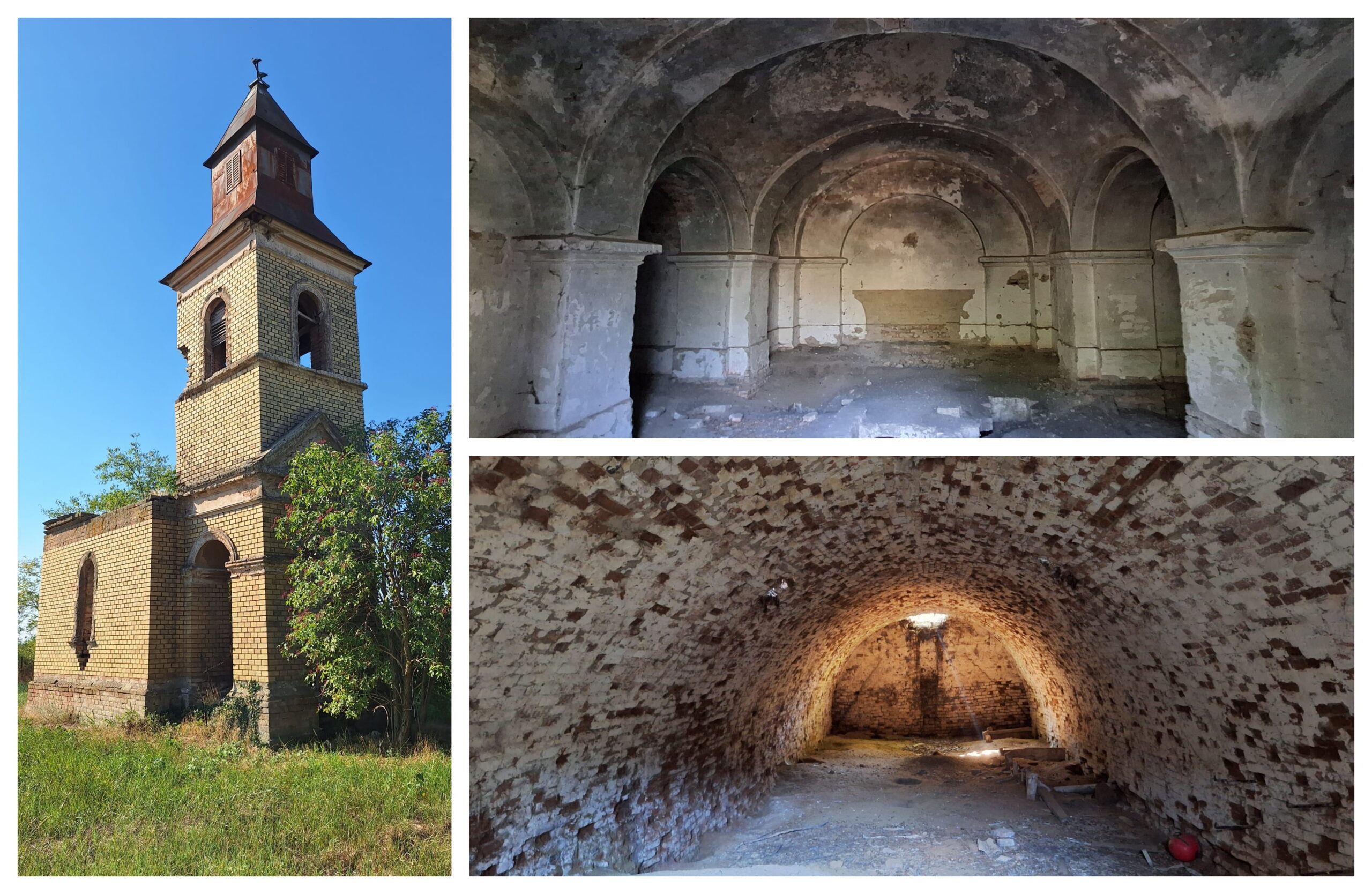
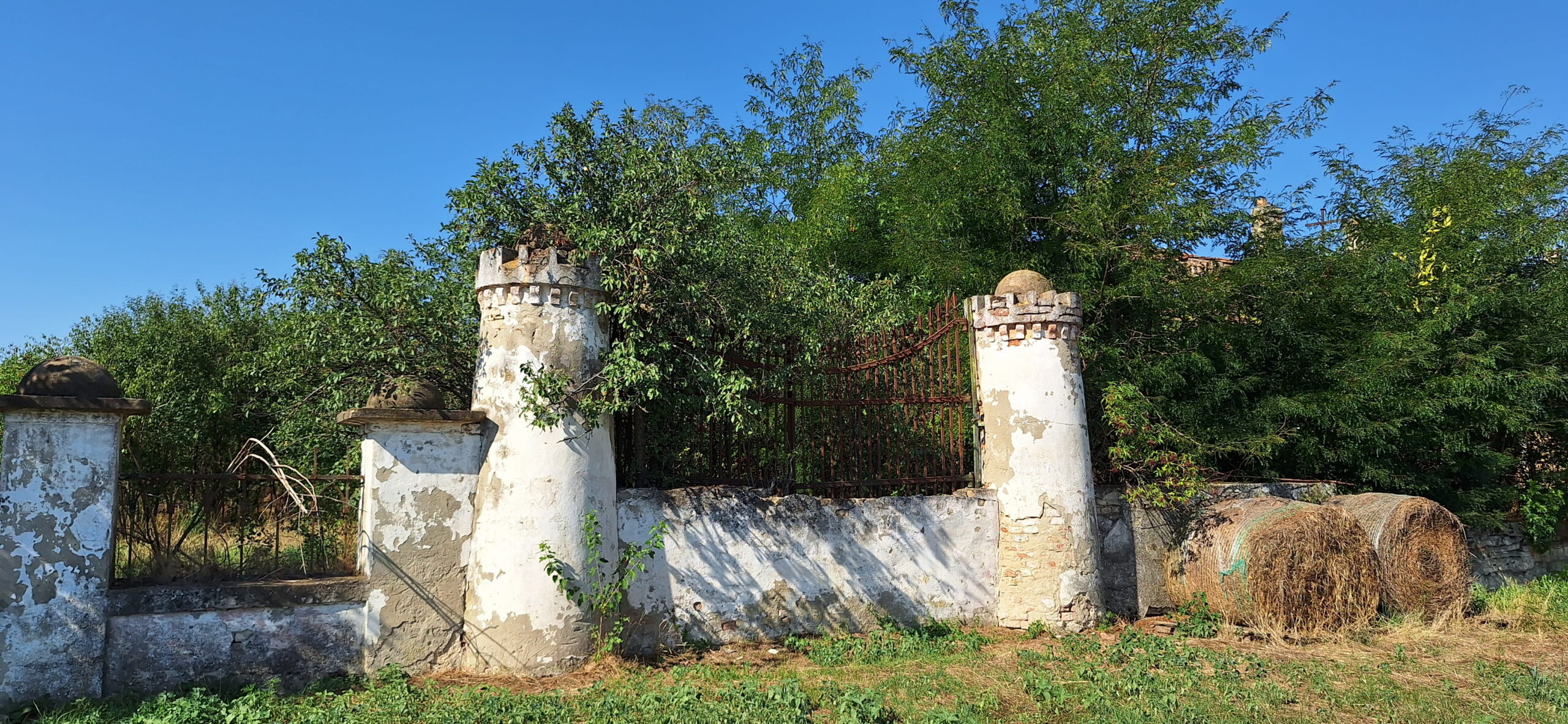
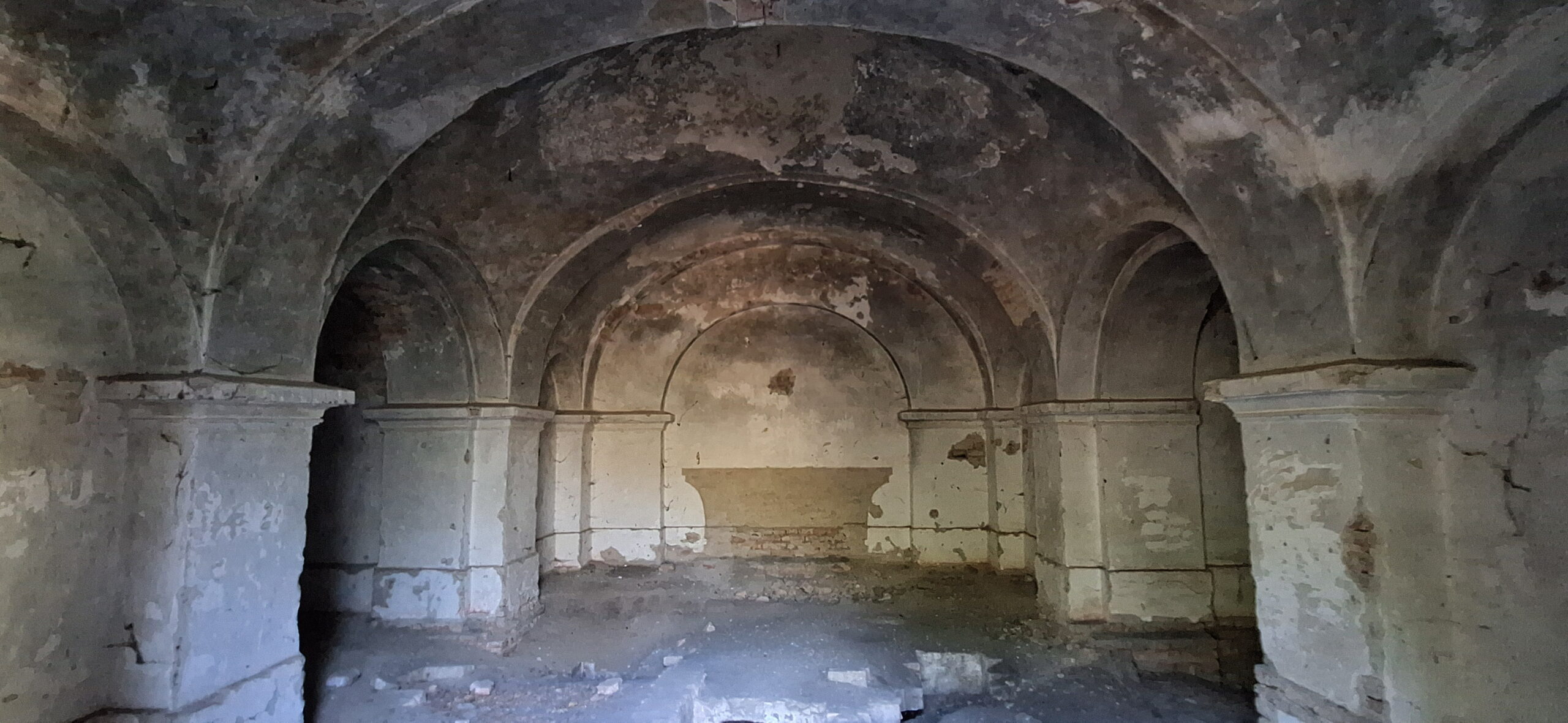
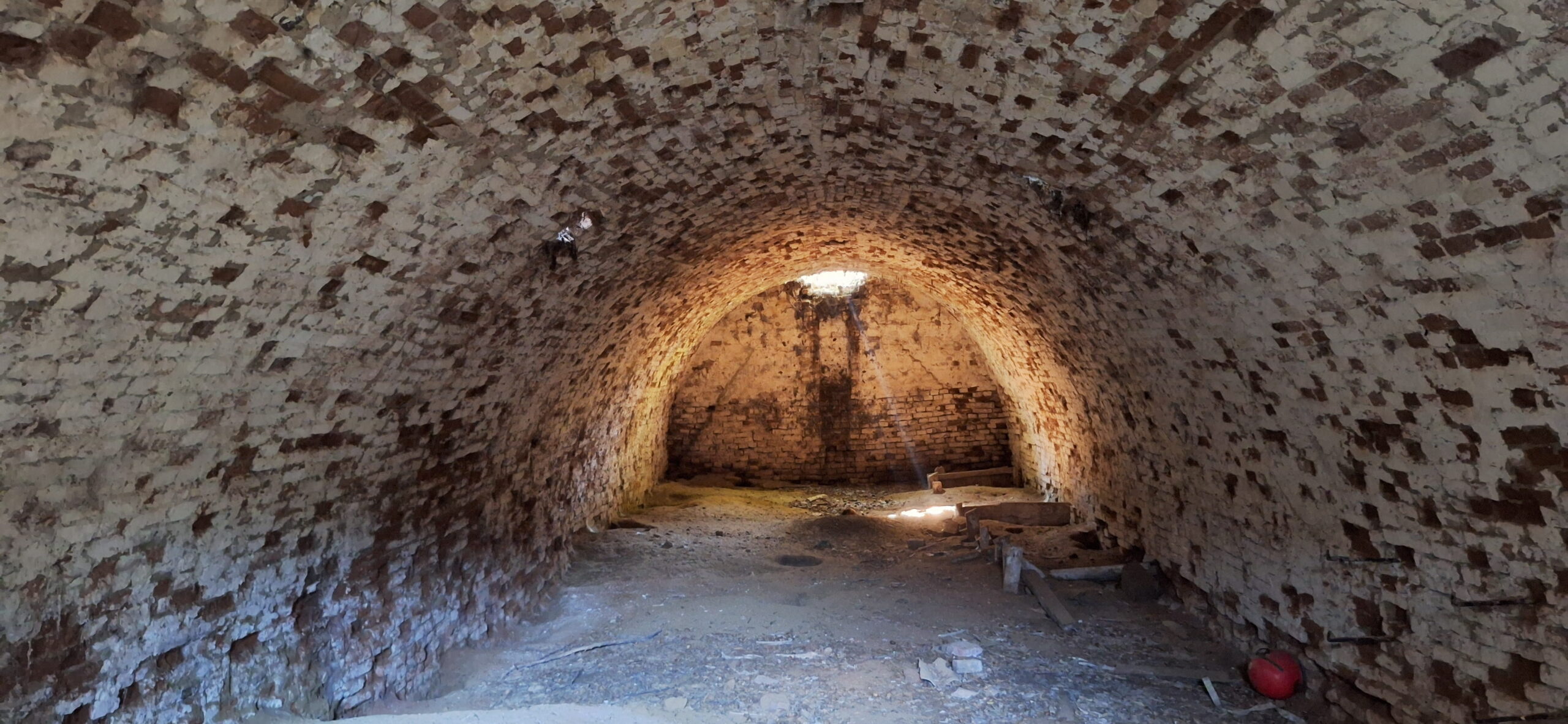
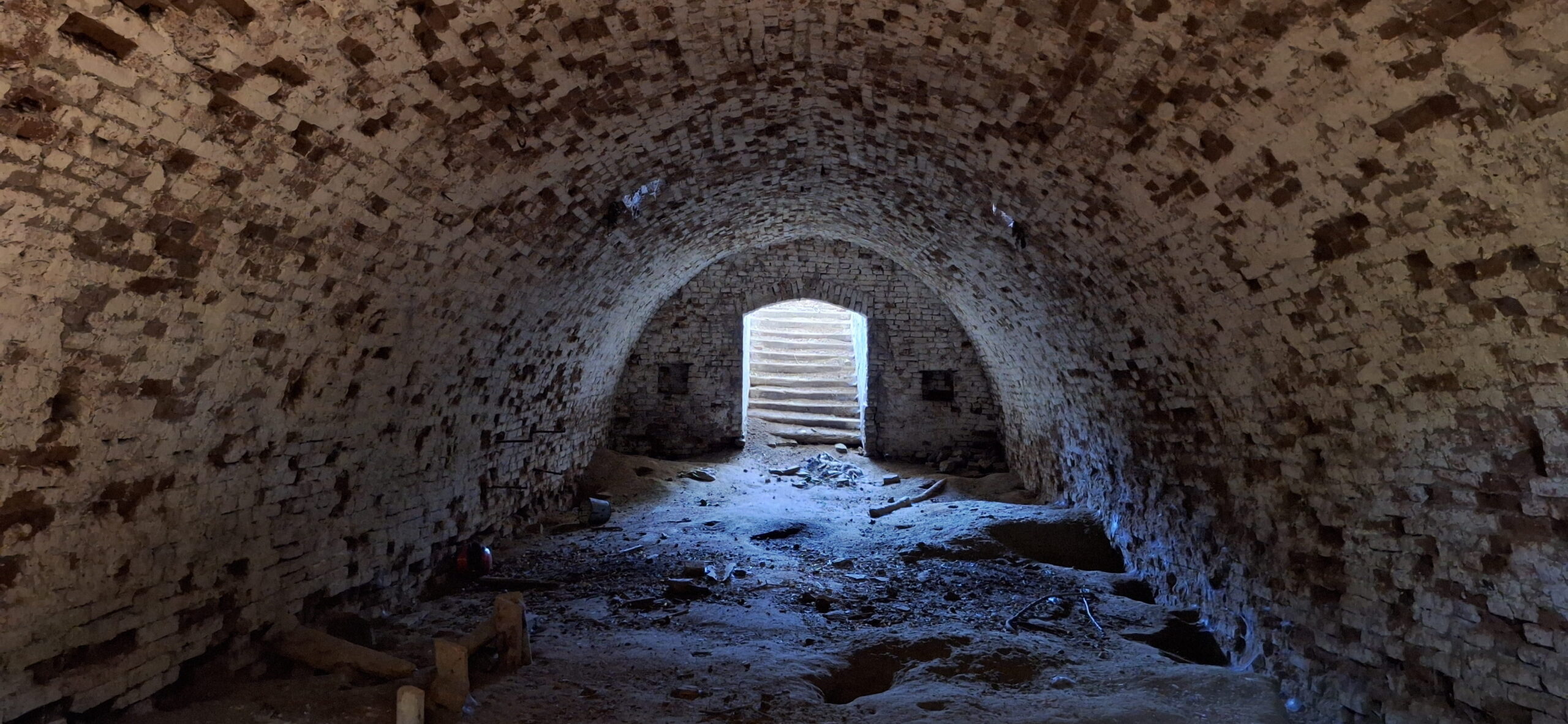
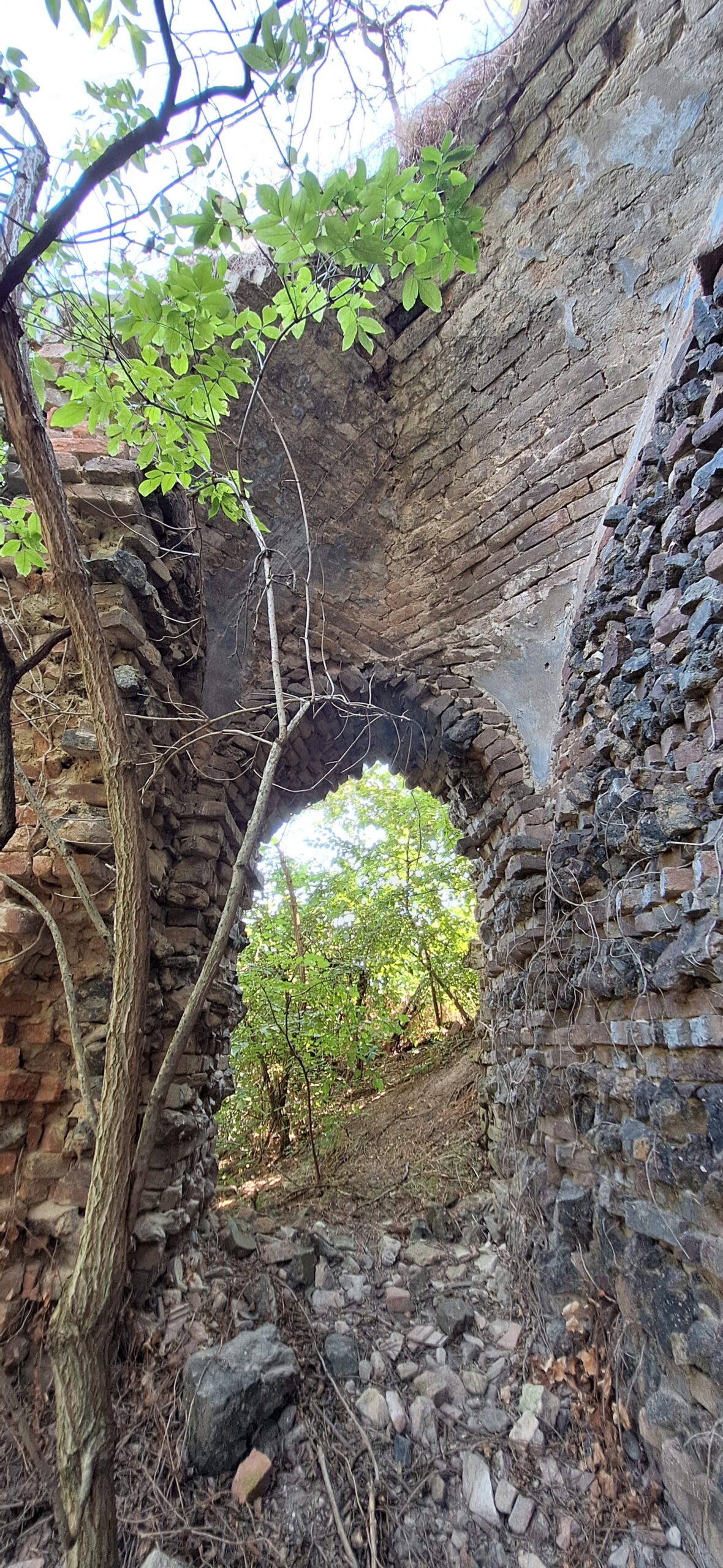
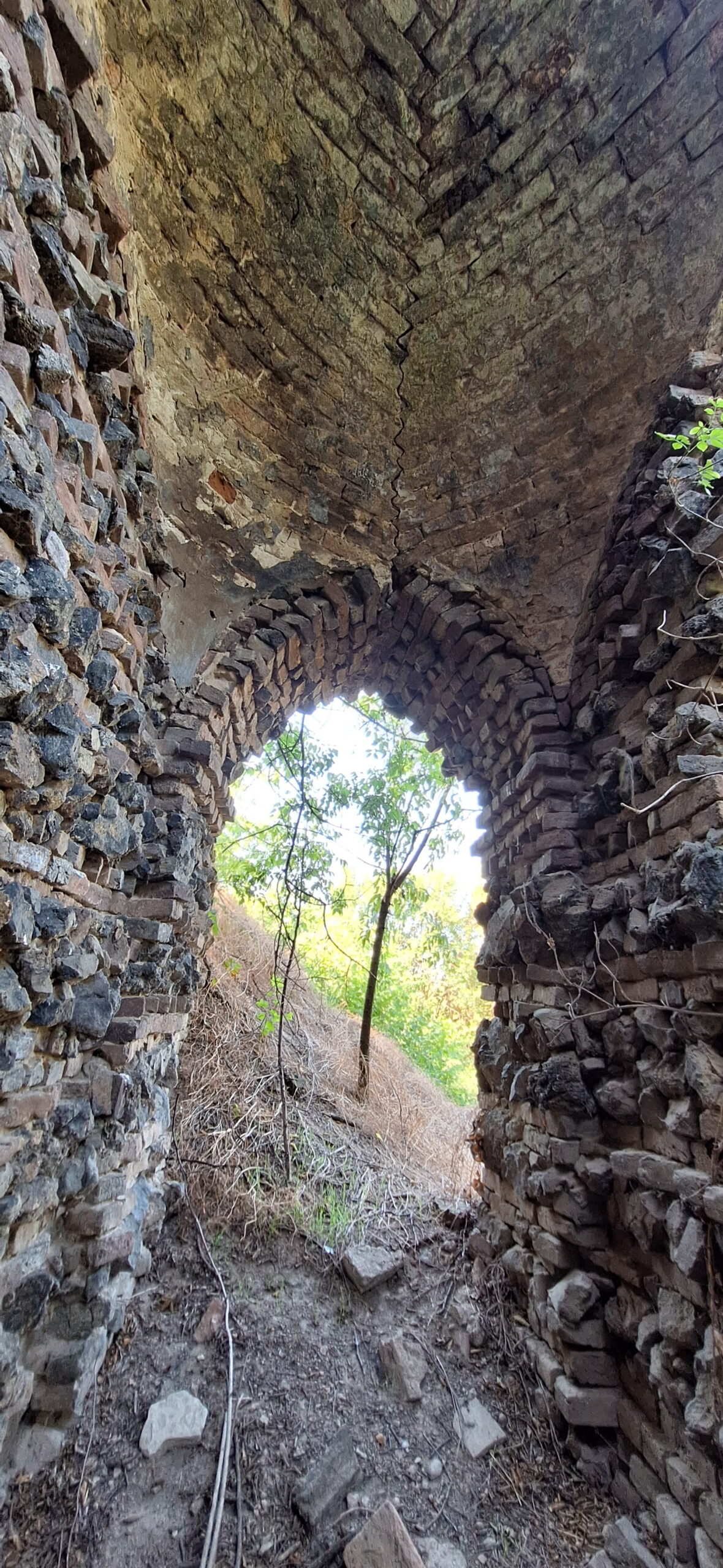
Today, only a cellar, fragments of the entrance gate, and the family’s vaulted crypt remain of the once magnificent castle. It was once surrounded by a beautiful, carefully maintained park, from which nothing has survived. The crypt, built of natural stone and crowned by a superstructure resembling a fortress gate, has also seen far better days. In March 1949, however, the tombs were desecrated by soldiers hoping to uncover hidden riches. According to locals, the coffins were thrown mercilessly into the waters of the Timiș River. Among them was the coffin of Baron Béla Csávossy. Today, I wander only among the ruins of the former communist border guard post, erected after the Csávossy Castle had been completely erased from the landscape.
The Catholic church and a cemetery chapel – the legacy of the Csávossy Family
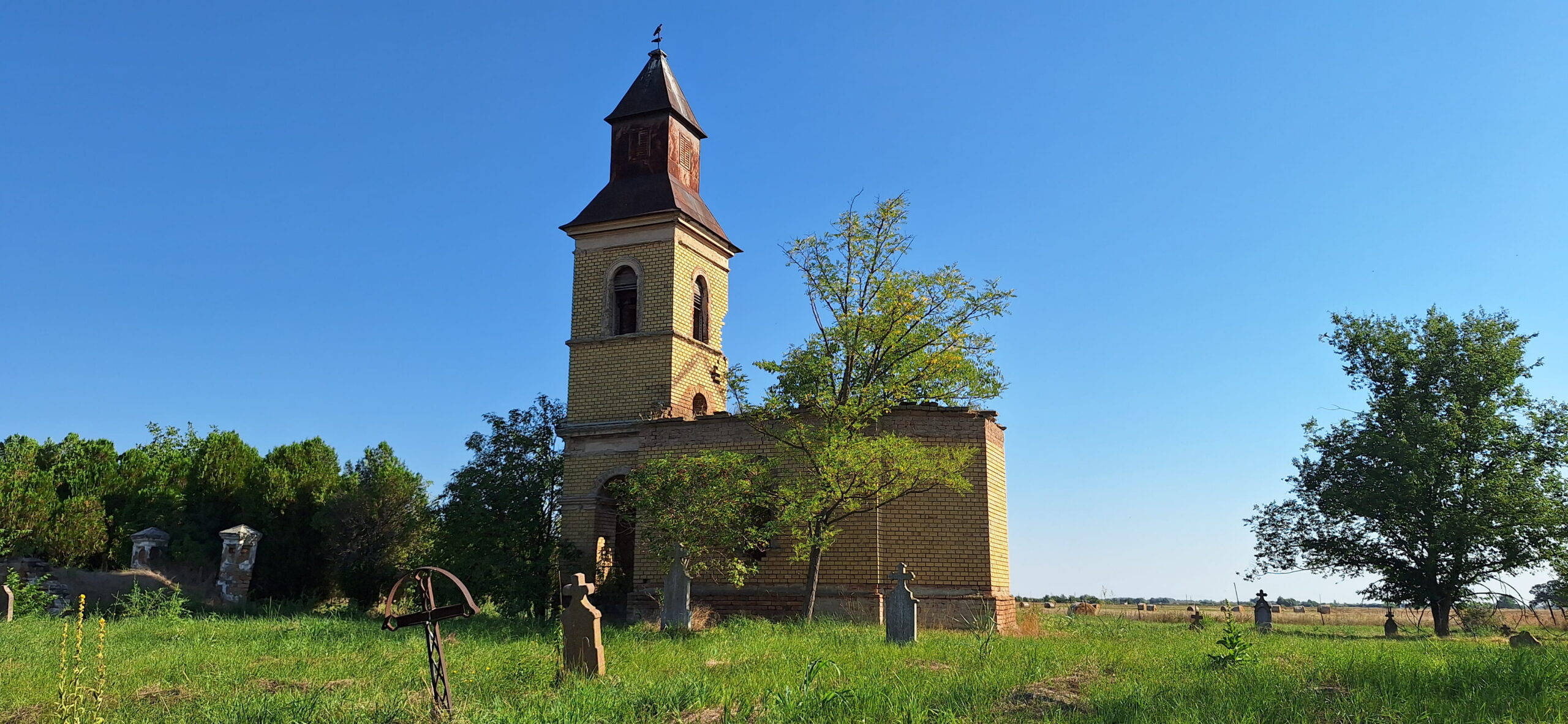
I now stroll slowly along the path through the cemetery on the edge of the village. The silence among the gravestones bearing Hungarian, German, Serbian, and Romanian inscriptions is almost overwhelming. Besides the former castle, the Csávossy de Csávos et Bobda family also bequeathed to the village the Roman Catholic Church dedicated to Saint Ignatius of Loyola, together with a beautiful cemetery chapel. Both are Neo-Gothic buildings faced with brick. The church was consecrated in 1896, while the chapel still bears the Roman numerals MDCCCCIX on its façade, marking the year 1909. The roof of the chapel — one of the largest in the region — collapsed long ago, while time has relentlessly eaten away at its walls.
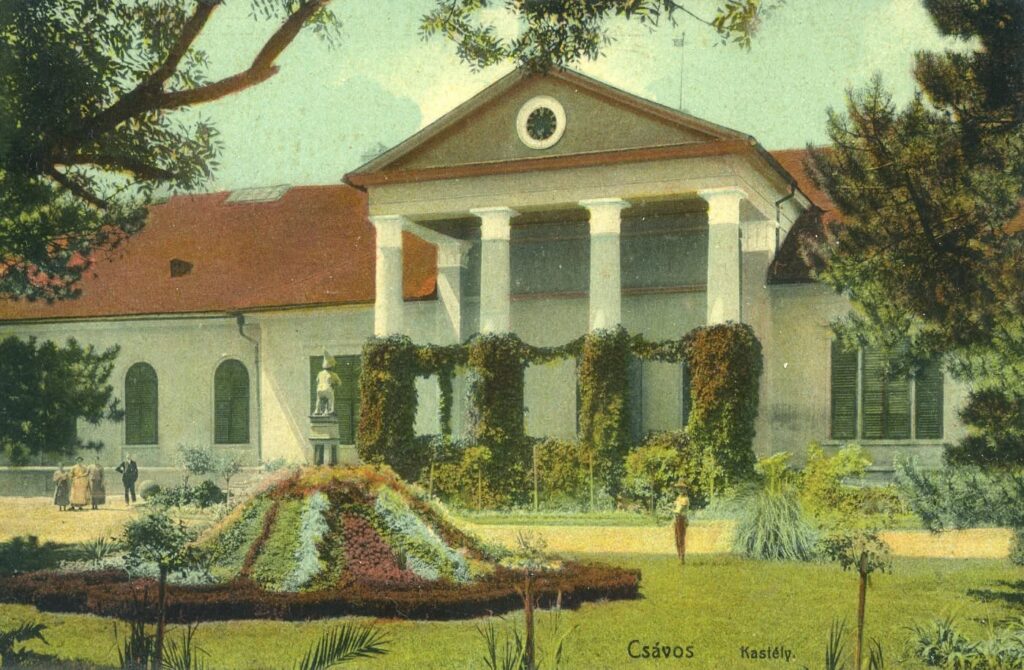
The twenty-two rooms and library of the Csávossy Castle of Ciavoș now belong only to history. Choked by dense vegetation and hidden from view, the crypt and cellar have become difficult to reach. And in the cemetery, the chapel erected by the Csávossy family seems to be pleading, perhaps in vain, for a rescue that may never come.